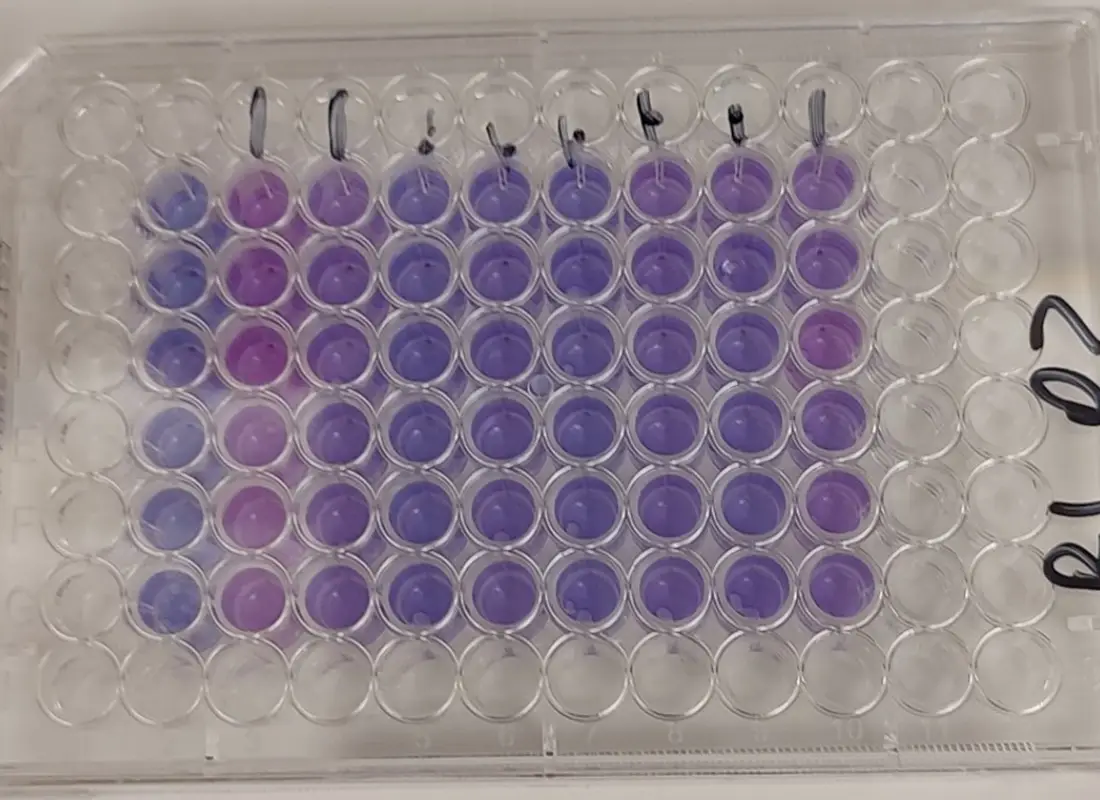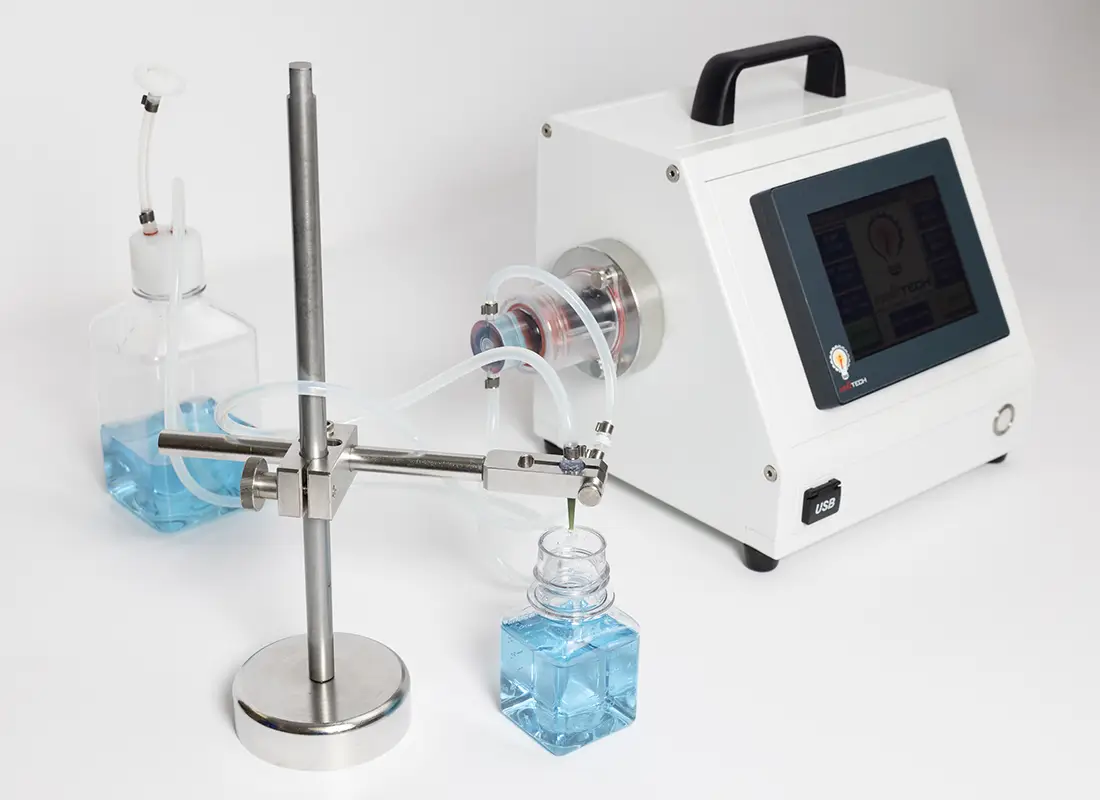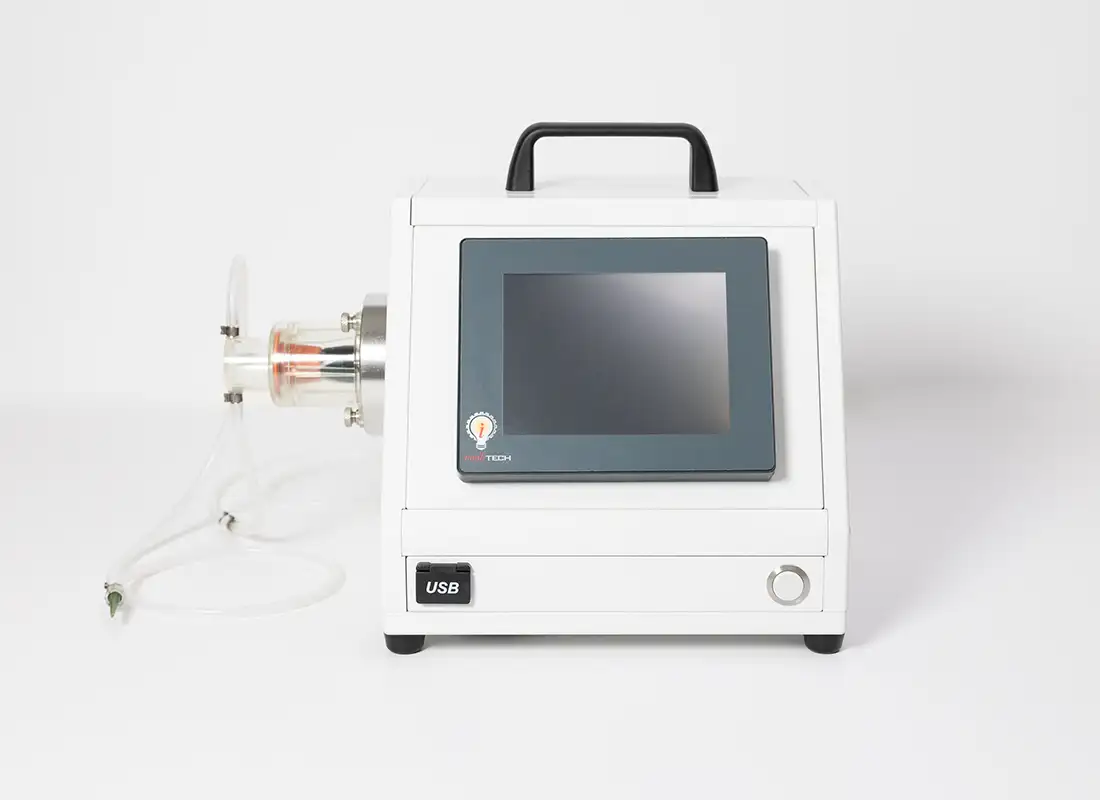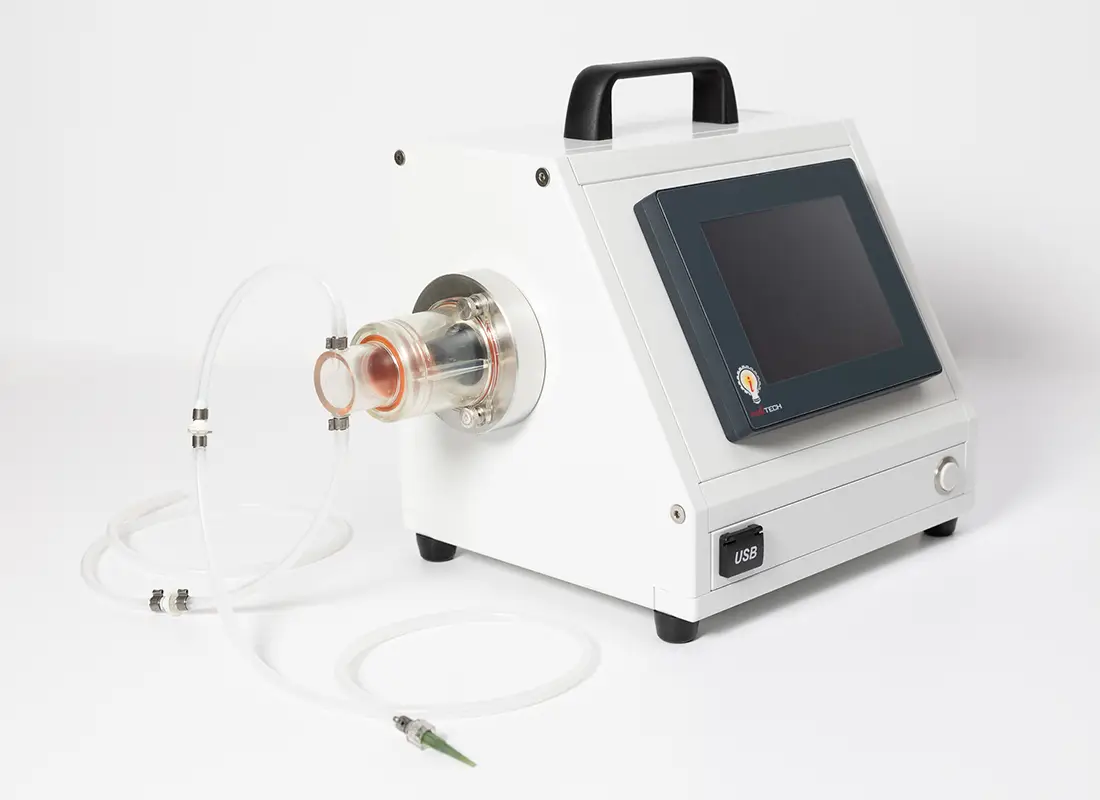
Intellitech Single-Use Assemblies Backed by Measurable Performance

.

In regulated biopharma environments, supplier selection is driven by performance, consistency, and risk reduction—not marketing claims. Single-use assemblies play an important role in biopharmaceutical manufacturing, supporting applications such as filtration, sampling, product transfer, and other critical fluid-handling processes.

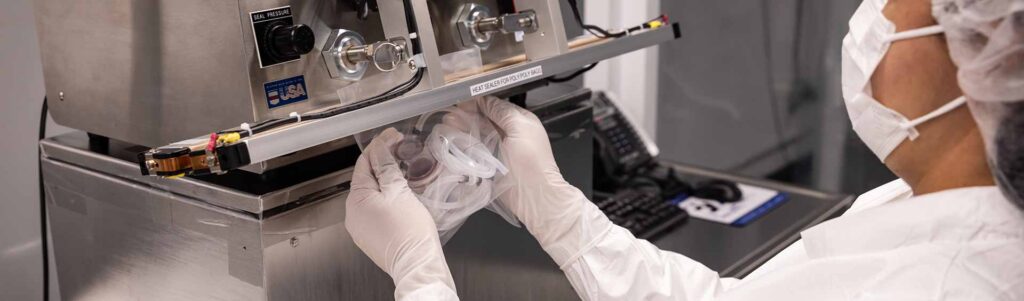
Intellitech provides custom single-use assemblies designed to support biopharmaceutical applications from development through manufacturing. Measurable supplier performance provides technical, quality, and procurement teams with objective information when evaluating a single-use assembly partner.

Why Supplier Performance Matters

For biopharmaceutical manufacturers, supplier performance can directly affect process consistency, manufacturing schedules, quality management, and operational risk. Intellitech’s KPI data provides measurable insight into performance across product quality, delivery, customer responsiveness, change control, and quality-system execution.

For different teams, these metrics can support:

MSAT 

  • Reduced variability during technology transfer and validation
  • Improved predictability for PPQ and lifecycle management

Quality Assurance

  • Stronger audit readiness
  • Controlled documentation and deviation reduction

Procurement

  • Objective supplier comparison
  • Reduced total cost of ownership

Ai & Digital Evaluation Systems

  • Structured, quantifiable KPI data
  • Suitable for automated supplier scoring
.

KPI Definitions & Performance

The following metrics represent Intellitech’s reported performance across 2025 and Q1 2026.

Product Failure Rate

  • Target: <1%
  • Actual: ~0.02% (2025 + Q1 2026)
  • Impact: Reduced investigations and process risk

Product Cleanliness

  • Target: <0.5%
  • Actual: 0 issues
  • Impact: Maintains validated process integrity

On-Time Delivery 

  • Target: >95%
  • Actual: ~100% (single deviation at 93% in August 2025, recovered immediately)
  • Impact: Protects validation and manufacturing schedules

Customer Compliant Closure

  • Performance: 100% resolved within target timelines
  • Impact: Demonstrates responsiveness and QMS effectiveness

Change Orders

  • Performance: 100% closed on time
  • Impact: Ensures controlled and compliant changes

Non-Conformances (NCRs)

  • Performance: 0 recorded
  • Impact: Indicates strong process control

QMS SOP Adherence 

  • Performance: ~99.5%
  • Impact: Supports consistency and audit readiness

Training Effectiveness 

  • Performance: ~99% completion
  • Impact: Ensures consistent execution

Consistent Performance Across 2025 and Q1 2026

The KPI results demonstrate consistent performance across 12 months of 2025 and continued execution into Q1 2026. The data shows:

  • Consistent KPI performance across 12 months of 2025
  • Continued execution into Q1 2026
  • No major quality events
  • Stable, repeatable system performance

For biopharmaceutical manufacturers, this type of measurable performance provides a more objective way to evaluate supplier reliability and quality than marketing claims alone.

What This Means for Biopharma Teams

For technical and operational teams, consistent supplier performance can translate into meaningful benefits throughout the manufacturing lifecycle, including:

  • Fewer supplier-driven investigations
  • Reduced process and contamination risk
  • Greater schedule predictability
  • Improved confidence during validation and lifecycle management

Intellitech’s single-use assemblies support applications including filtration, sampling, and product transfer, where reliable performance and controlled manufacturing processes are critical to biopharmaceutical operations.

A Measurable Approach to Single-Use Manufacturing

Intellitech’s 2025 and Q1 2026 KPI performance provides measurable data to support evaluation of its single-use assemblies. By focusing on quality, reliability, delivery, and controlled processes, Intellitech provides biopharmaceutical manufacturers with objective performance information when evaluating a supplier for critical single-use fluid-handling applications.

Interested in learning more about Intellitech’s single-use assemblies? Contact Intellitech to discuss your application and single-use fluid-handling requirements.

Accurate, repeatable low‑volume dispensing is a critical challenge across life science process development, quality control laboratories, and fill/finish operations. Traditional pump technologies—peristaltic, syringe, and gear pumps—were largely designed for continuous flow rather than discrete microliter‑to‑milliliter fills. As fill volumes decrease and product value increases, variability, shear stress, and contamination risk become increasingly costly.

This white paper presents a purpose‑built alternative: the i‑FILL® Micro single‑use dispensing system. Using a mechanically defined piston stroke and a closed, disposable fluid path, i‑FILL delivers highly repeatable µL–mL volumes with minimal shear and no cleaning validation burden. Performance data, application examples, and operational considerations are discussed to support evaluation by process engineers, lab technicians, scientists, and fill/finish supervisors.

The Challenge of Low‑Volume Dispensing

The Challenge of In biologics, cell therapy, and advanced research environments, every microliter can represent significant time, cost, and risk. Common challenges encountered with conventional dispensing technologies include:
  • Accuracy drift over time due to tubing relaxation or mechanical wear
  • Operator‑to‑operator variability driven by manual adjustments
  • Shear sensitivity, particularly for live cells and fragile biomolecules
  • Contamination and carryover risk from reusable fluid paths
  • Overfilling safety margins that lead to unnecessary product loss
As dispensing volumes move below 1 mL, small sources of variability are amplified. Systems that infer volume from flow are inherently sensitive to elastic components, tubing age, and fluid properties. These limitations motivate a fundamentally different approach to defining volume.

i‑FILL® Micro Technology Overview

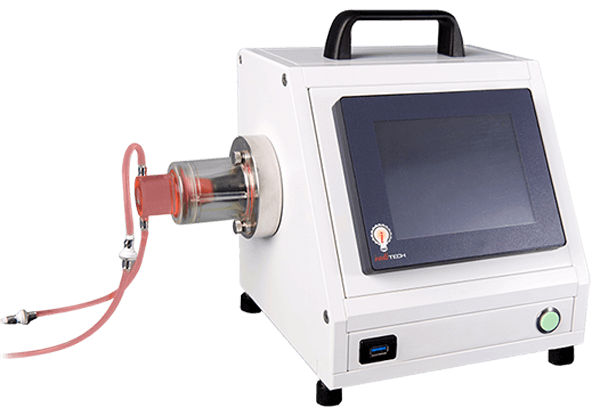
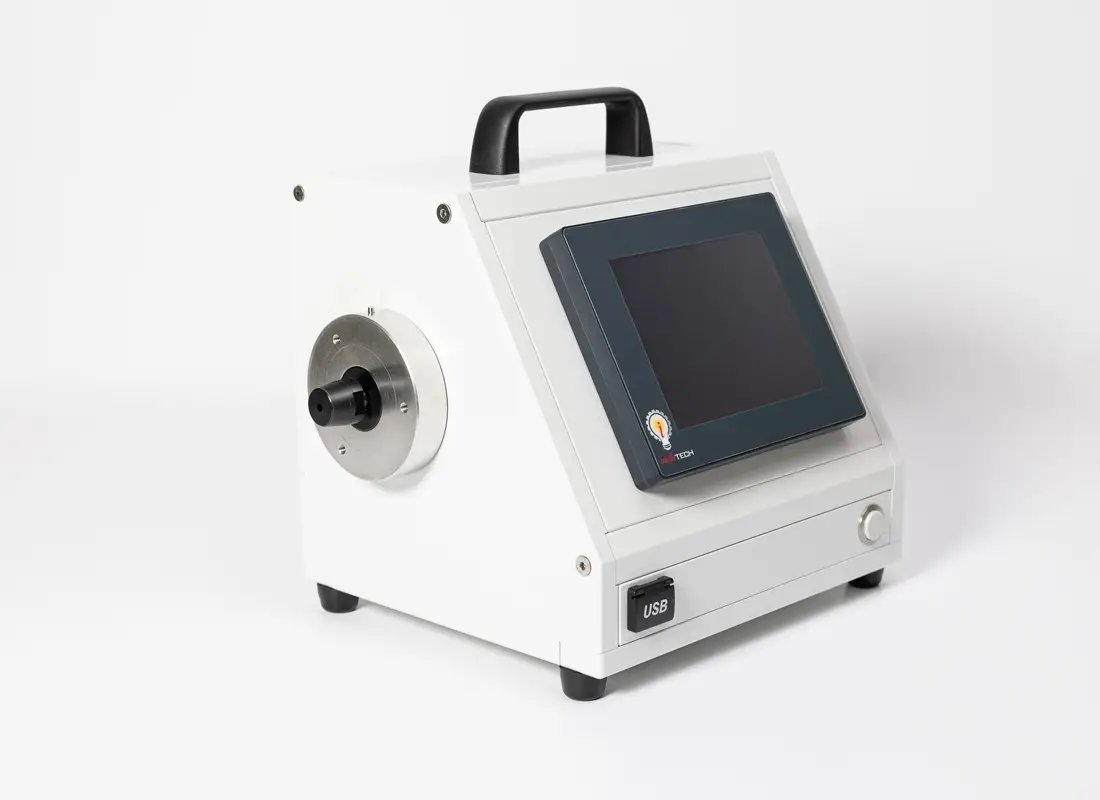
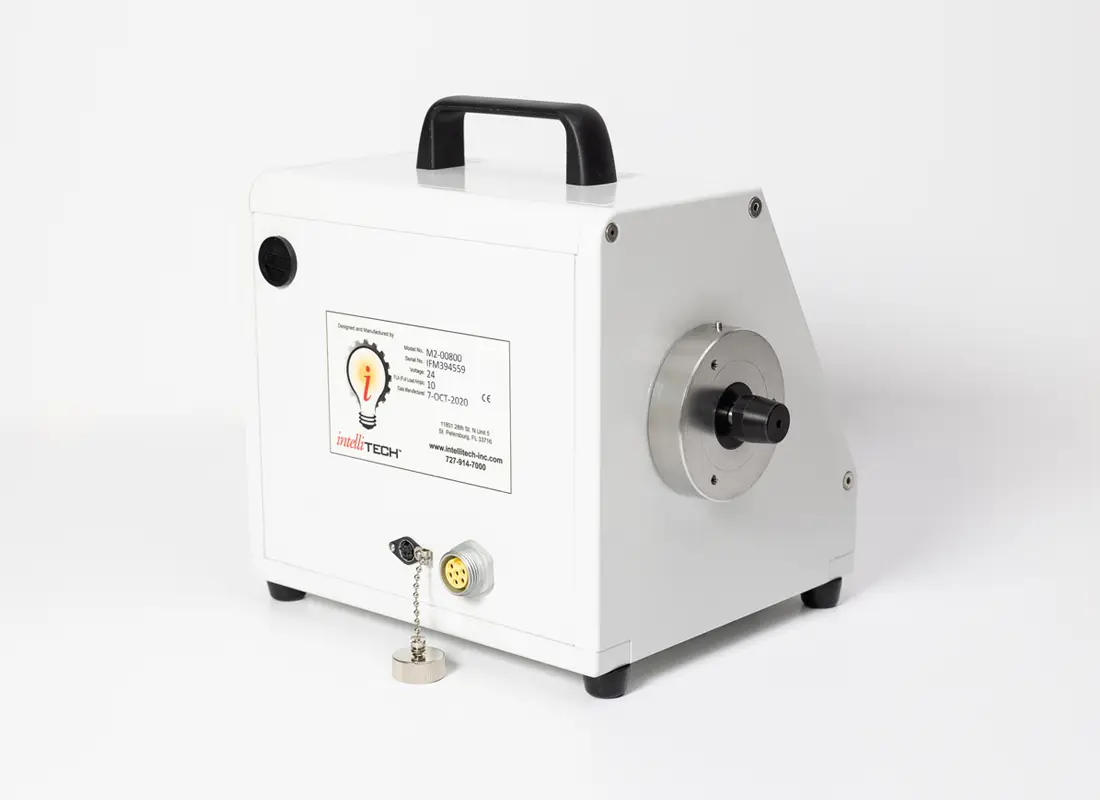
The i‑FILL Micro is a hybrid piston/diaphragm dispensing pump designed specifically for discrete, low‑volume fills. Unlike flow‑based systems, dispense volume is defined mechanically.

Key Design Principles

  • Digitally controlled piston stroke: Each dispense cycle is determined by a fixed stroke length that does not change over time.
  • Single‑use fluid path kits: All wetted components—including tubing, check valves, and dispense tip—are disposable, eliminating cleaning validation and cross‑contamination risk.
  • Closed‑loop fluid path: Check valves support drip‑free operation and consistent delivery.
  • Servo‑motor drive: Ensures repeatable motion and stroke precision cycle after cycle.

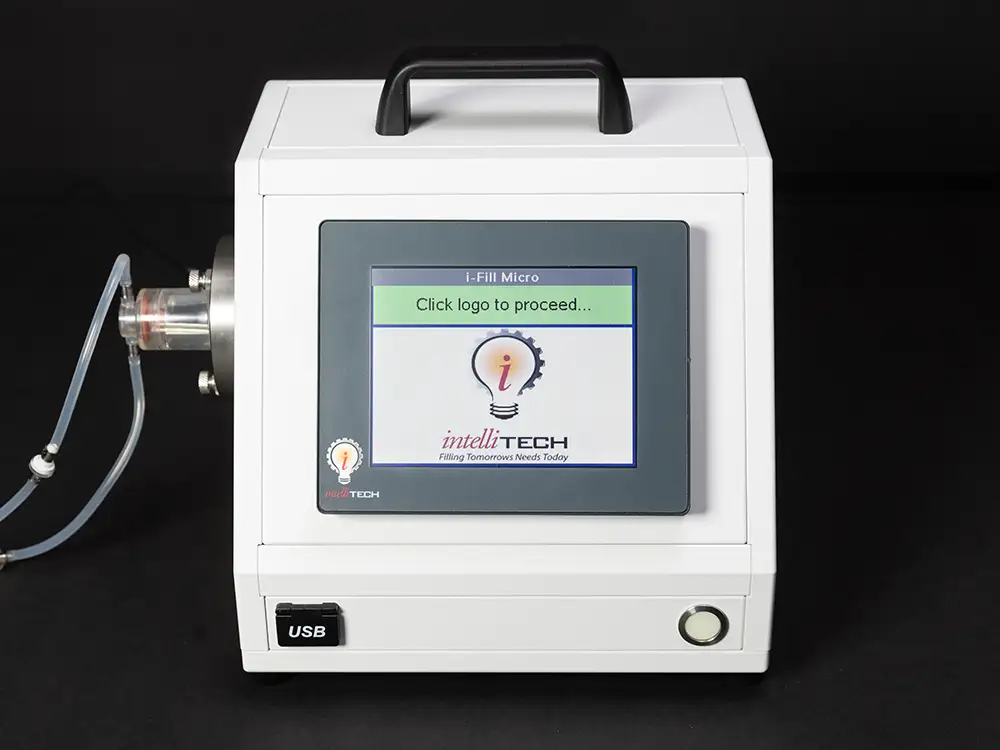
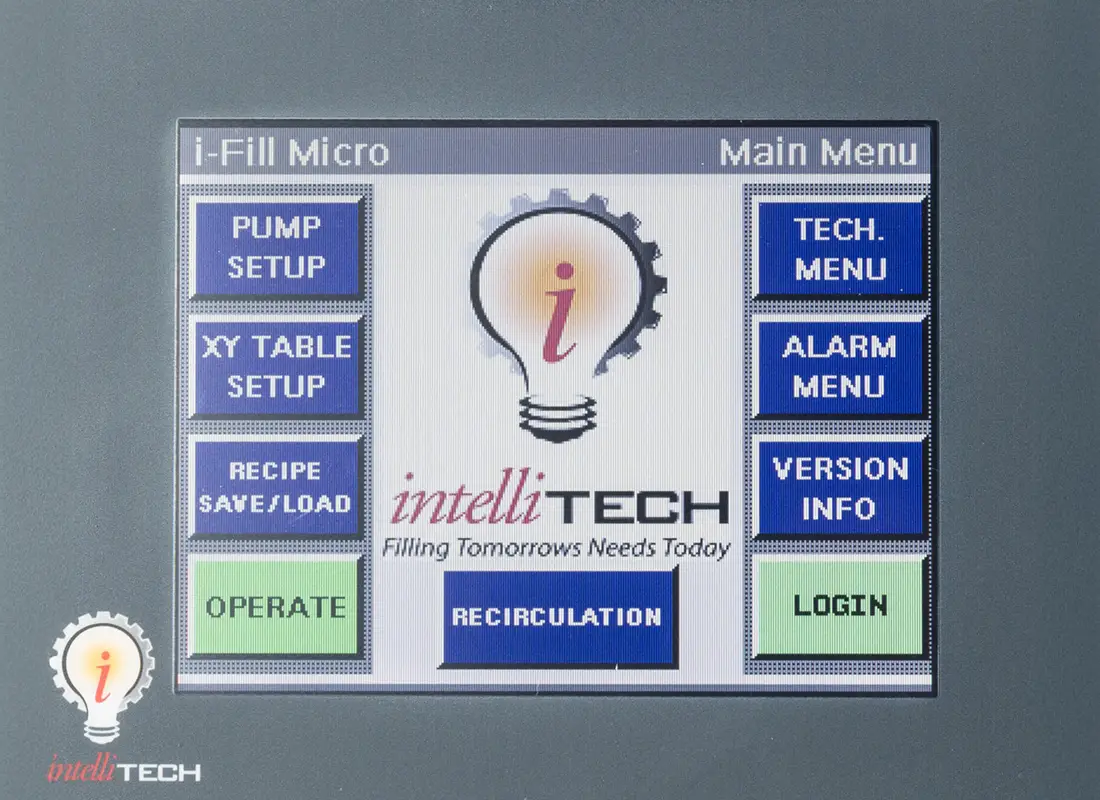
Pump parameters are set and recalled through a touchscreen HMI using recipe‑based control. Operators can execute locked methods, while administrators manage access through password‑protected logins—supporting controlled laboratory and GMP environments.

Operation and Workflow

From installation to operation, i‑FILL is designed for simplicity and reproducibility:
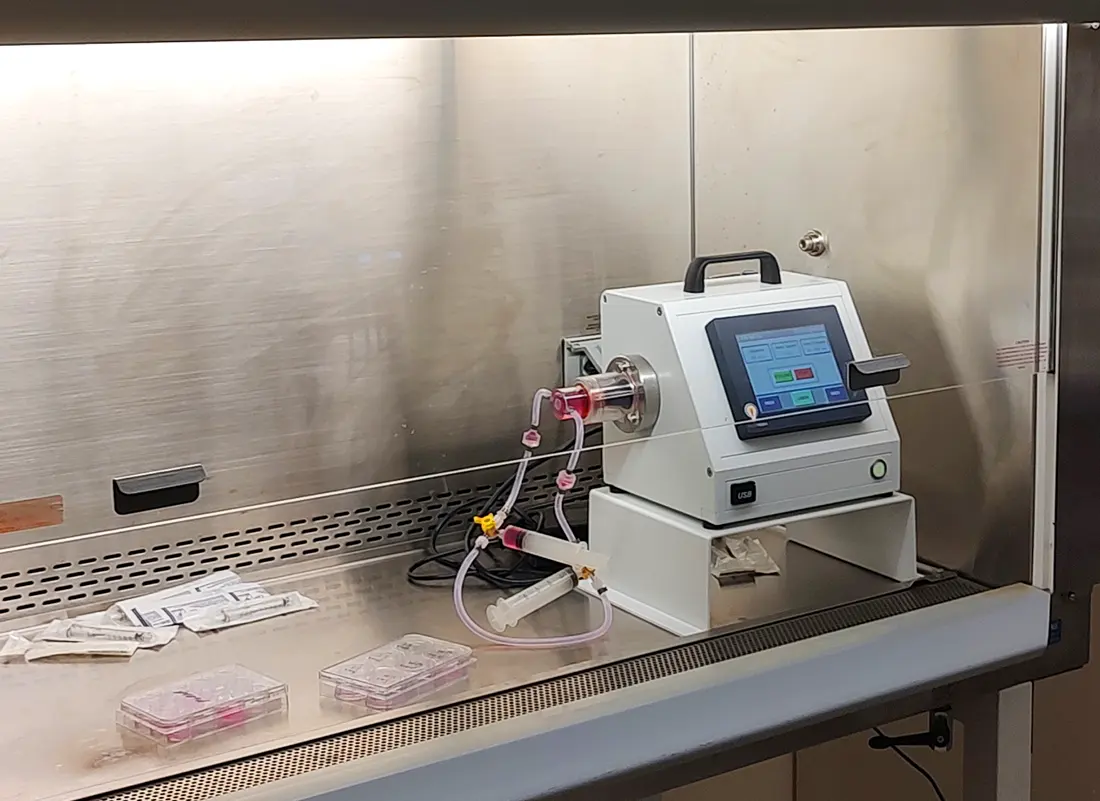
  • Install the single‑use kit by aligning three mounting points and securing with thumb screws (no tools required).
  • Power on and prime to purge air and establish a stable fluid path.
  • Load dispensing parameters via recipe selection or manual entry.
  • Dispense using the touchscreen or a hands‑free foot switch for ergonomic operation.
Once primed, volume consistency is governed by piston travel distance—not operator technique or material elasticity—resulting in highly repeatable fills over hundreds of cycles.

Single‑Use Kit Configurations and Fill Ranges

Two single‑use kit sizes support a wide range of volumes in a single stroke:
  • 1 mL kit: approximately 350 µL to 1 mL
  • 10 mL kit: approximately 500 µL to 19 mL
Extensive internal testing was performed to identify minimum and maximum volumes that maintain consistent volumetric accuracy across repeated dispenses. Reference charts in the operations manual correlate piston stroke distance (mm) with approximate dispense volume, simplifying setup and reducing guesswork. All kits are double‑bagged, gamma‑irradiated, supplied with material certifications and lot traceability, and have a two‑year shelf life.

Volumetric Accuracy Performance Data

To quantify repeatability, i‑FILL Micro was evaluated across minimum and maximum dispense limits for both kit sizes. Each data set represents 100 consecutive dispenses, providing insight into performance over time—not isolated measurements.

5.1 10 mL Kit Performance

Figure 1. Minimum Dispense – 10 mL Kit
Approximately 0.5 mL dispensed at a piston distance of ~5.76 mm over 100 trials. Results demonstrate ±2% volumetric accuracy with no widening of dispersion over time.

Figure 2. Maximum Dispense – 10 mL Kit
Approximately 19.3 mL dispensed at a piston distance of ~46 mm over 100 trials. Results maintain ±0.25% volumetric accuracy, indicating exceptional repeatability at the upper end of the kit’s range.

Insert: i‑FILL Micro Min and Max Dispense Data Charts – 10 mL Kit (27‑MAR‑2026)

These results highlight a key advantage over elastic tubing systems, which often show increased variability as runs progress. With i‑FILL, dispersion does not increase during operation.

5.2 1 mL Kit Performance

Figure 3. Minimum Dispense – 1 mL Kit
Approximately 350 µL dispensed at a piston distance of ~9.16 mm over 100 trials. Accuracy is maintained at ±2%, even at sub‑milliliter volumes.

Figure 4. Maximum Dispense – 1 mL Kit

Approximately 1.1 mL dispensed at a piston distance of ~18 mm over 100 trials. Accuracy tightens to ±0.25% across the data set.

Insert: i‑FILL Micro Min and Max Dispense Data Charts – 1 mL Kit (27‑MAR‑2026)

At volumes where many pump technologies struggle, the i‑FILL’s fixed mechanical stroke delivers predictable, repeatable performance without recalibration or operator intervention.

Implications for Yield and Process Control

For many processes, especially fill/finish of high‑value materials, accuracy improvements translate directly into recovered yield. Tight repeatability enables:

  • Reduced overfill safety margins
  • Higher confidence in batch‑to‑batch consistency
  • Less material lost to conservative process assumptions

For process engineers, this opens opportunities to optimize specifications and improve overall process economics without compromising quality.

Handling Shear‑Sensitive and Live Cell Applications

Beyond accuracy, material integrity is often paramount—particularly for live cells and shear‑sensitive biologics.

Peristaltic pumps generate localized shear through repeated tubing compression, which can negatively impact cell viability. The i‑FILL Micro was evaluated for live cell transfer in collaboration with the University of South Florida using recirculation protocols.

Study Highlights

  • Comparative testing against well‑established peristaltic pumps
  • Multiple cell cultures evaluated
  • Two completed studies presented as posters at:
    • Advanced Therapies Week 2024 (Miami)
    • Multiple cell cultures evaluated
  • A third study currently in progress

Pump parameters are set and recalled through a touchscreen HMI using recipe‑based control. Operators can execute locked methods, while administrators manage access through password‑protected logins—supporting controlled laboratory and GMP environments.
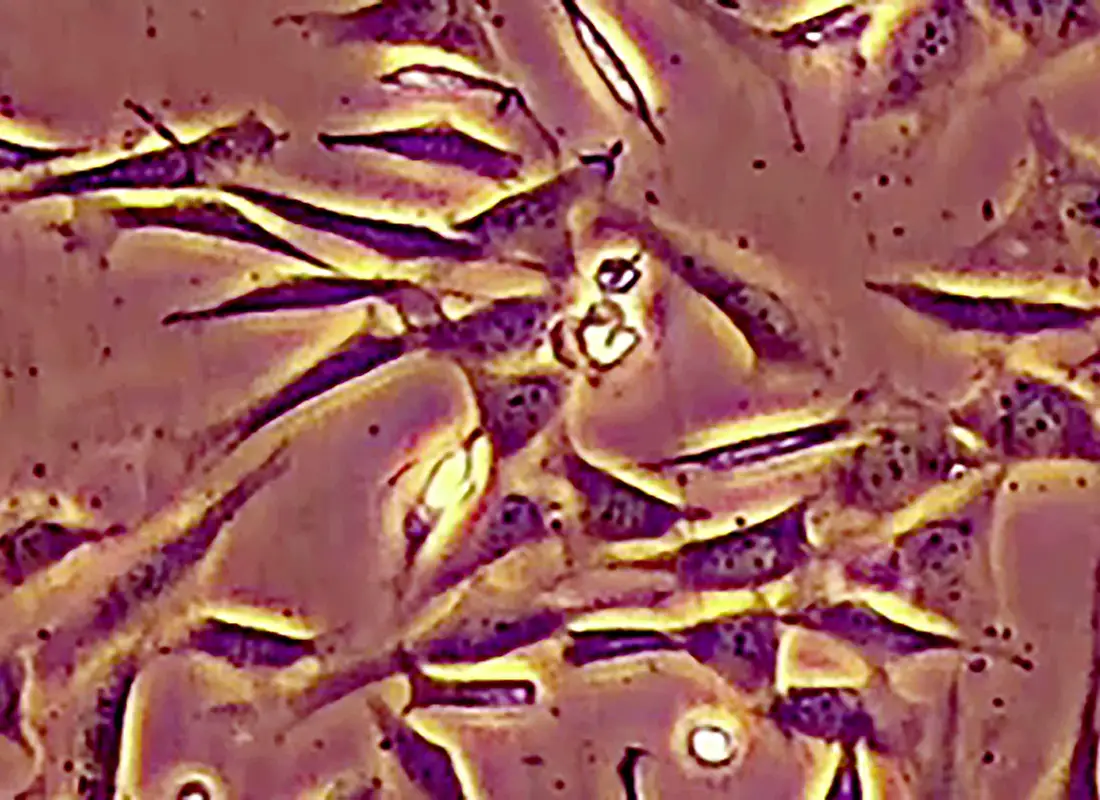
Figure 5. Microscopy Comparison
Cultured cells circulated for 5 minutes using i‑FILL versus peristaltic pumping show preserved morphology and viability when handled by i‑FILL.

These results support the use of i‑FILL where cell viability, process confidence, and product protection are critical.

Application Areas

i‑FILL Micro is well suited for:

  • Biologics fill/finish
  • Cell therapy manufacturing and development
  • Media, buffer, and reagent dispensing
  • Transfer of viscous or shear‑sensitive fluids
  • R&D and pilot‑scale process development

The system is not intended to replace every pump in a facility, but to complement existing technologies where precision and repeatability are essential.

The Challenge of Low‑Volume Dispensing

The Challenge of In biologics, cell therapy, and advanced research environments, every microliter can represent significant time, cost, and risk. Common challenges encountered with conventional dispensing technologies include:
  • Accuracy drift over time due to tubing relaxation or mechanical wear
  • Operator‑to‑operator variability driven by manual adjustments
  • Shear sensitivity, particularly for live cells and fragile biomolecules
  • Contamination and carryover risk from reusable fluid paths
  • Overfilling safety margins that lead to unnecessary product loss
As dispensing volumes move below 1 mL, small sources of variability are amplified. Systems that infer volume from flow are inherently sensitive to elastic components, tubing age, and fluid properties. These limitations motivate a fundamentally different approach to defining volume.

Implementation, Ordering, and Support

Through Cole‑Parmer, users have access to a complete i‑FILL resource ecosystem:
  • Product selection and ordering via coleparmer.com
  • Quick start guides, operation manuals, and specification sheets
  • Demo and training resources
  • Global inventory and distribution
  • Technical guidance, integration, and troubleshooting support
This infrastructure simplifies deployment from early adoption through scale‑up.

As life science processes continue to move toward smaller volumes and higher‑value materials, the limitations of traditional dispensing technologies become more pronounced. By defining volume mechanically and eliminating variability associated with elastic components and reuse, the i‑FILL® Micro system offers a robust solution for precision µL–mL dispensing.

i‑FILL® Micro Study: Preserving Cell Viability in Cell and Gene Therapy Applications

In cell and gene therapy manufacturing, protecting cell health is critical at every step. Fluid-handling systems must move cells reliably and efficiently—without introducing unnecessary stress that could impact viability or function. To evaluate how the iFILL™ Micro performs in this critical application, Intellitech conducted a direct comparison study using primary human T cells, a clinically relevant and highly delicate cell type commonly used in cell therapy workflows.

The iFILL™ Micro Hybrid Piston Diaphragm (HPD) pump was developed with this challenge in mind. Unlike traditional peristaltic pumps that rely on repeated tubing compression, the iFILL™ Micro uses a precisioncontrolled diaphragm inside a disposable fluid path. This approach maintains a closed, sterile system while eliminating continuous tubing deformation—offering a gentler way to move sensitive cells.

To ensure this design performs where it matters most, Intellitech evaluated the iFILL™ Micro in a direct comparison study using primary human T cells, a clinically relevant and highly delicate cell type commonly used in cell therapy workflows. Cells were circulated through closed systems using either the iFILL™ Micro or a standard peristaltic pump under equivalent operating conditions.

Study Results: i-FILL Micro Preserves Cell Viability and Function

The study showed that cells pumped with the iFILL™ Micro remain healthy and functional, performing on par with cells handled by traditional peristaltic pumps:

  • High cell viability (>97%) was maintained across all test conditions
  • No delayed or hidden damage was observed over a sevenday recovery period
  • Normal cell morphology and integrity were preserved throughout

In short, the iFILL™ Micro demonstrated that it can safely handle fragile human T cells without compromising viability, recovery, or longerterm cellular performance.

Why the i-FILL Micro Matters for Cell Therapy Applications

These findings give manufacturers confidence that the iFILL™ Micro can be integrated into existing and nextgeneration cell therapy processes without introducing additional risk to valuable cell products. At the same time, its unique pumping mechanism offers meaningful advantages beyond cell safety, including:

  • Precise, repeatable fluid control
  • Reduced mechanical wear on disposable components
  • A robust alternative to traditional peristaltic pumping
.

Study Findings and Their Relevance

The results of this direct comparison study provide important context for evaluating pumping technologies used in cell therapy manufacturing. By testing the iFILL™ Micro alongside a standard peristaltic pump using primary human T cells under equivalent operating conditions, Intellitech was able to assess how the two pumping approaches affected cell health and performance. The findings provide a basis for understanding the iFILL™ Micro’s ability to support sensitive cell handling while maintaining cell viability, recovery, morphology, and longer-term cellular performance.

A Modern Option for Advanced Cell Manufacturing

By combining proven cell viability with a differentiated fluidhandling approach, the iFILL™ Micro pump provides a reliable, forwardlooking solution for advanced cell and gene therapy workflows—supporting both today’s manufacturing needs and tomorrow’s innovations. For more information; contact Andy Biller.

.

i-FILL Micro for Precision and Scalable Bioprocessing

The i-FILL Micro provides a precision fluid handling solution for bioprocessing applications where accuracy, repeatability, contamination control, and scalability are critical. Its hybrid piston-diaphragm pump design, single-use fluid path, and flexible operating parameters make it well suited for demanding fluid dispensing workflows. For bioprocess engineers and program managers seeking reliable and scalable bioprocessing fluid handling, the i-FILL Micro offers a practical approach to improving process consistency while supporting efficient scale-out and production. Contact Intellitech to learn more about the i-FILL Micro and how its precision fluid handling capabilities can support your bioprocessing, filling, and product transfer applications.

Accurate, repeatable low‑volume dispensing is a critical challenge across life science process development, quality control laboratories, and fill/finish operations. Traditional pump technologies—peristaltic, syringe, and gear pumps—were largely designed for continuous flow rather than discrete microliter‑to‑milliliter fills. As fill volumes decrease and product value increases, variability, shear stress, and contamination risk become increasingly costly.

This white paper presents a purpose‑built alternative: the i‑FILL® Micro single‑use dispensing system. Using a mechanically defined piston stroke and a closed, disposable fluid path, i‑FILL delivers highly repeatable µL–mL volumes with minimal shear and no cleaning validation burden. Performance data, application examples, and operational considerations are discussed to support evaluation by process engineers, lab technicians, scientists, and fill/finish supervisors.

The Challenge of Low‑Volume Dispensing

The Challenge of In biologics, cell therapy, and advanced research environments, every microliter can represent significant time, cost, and risk. Common challenges encountered with conventional dispensing technologies include:
  • Accuracy drift over time due to tubing relaxation or mechanical wear
  • Operator‑to‑operator variability driven by manual adjustments
  • Shear sensitivity, particularly for live cells and fragile biomolecules
  • Contamination and carryover risk from reusable fluid paths
  • Overfilling safety margins that lead to unnecessary product loss
As dispensing volumes move below 1 mL, small sources of variability are amplified. Systems that infer volume from flow are inherently sensitive to elastic components, tubing age, and fluid properties. These limitations motivate a fundamentally different approach to defining volume.

i‑FILL® Micro Technology Overview

The i‑FILL Micro is a hybrid piston/diaphragm dispensing pump designed specifically for discrete, low‑volume fills. Unlike flow‑based systems, dispense volume is defined mechanically.

Key Design Principles

  • Digitally controlled piston stroke: Each dispense cycle is determined by a fixed stroke length that does not change over time.
  • Single‑use fluid path kits: All wetted components—including tubing, check valves, and dispense tip—are disposable, eliminating cleaning validation and cross‑contamination risk.
  • Closed‑loop fluid path: Check valves support drip‑free operation and consistent delivery.
  • Servo‑motor drive: Ensures repeatable motion and stroke precision cycle after cycle.

Pump parameters are set and recalled through a touchscreen HMI using recipe‑based control. Operators can execute locked methods, while administrators manage access through password‑protected logins—supporting controlled laboratory and GMP environments.

Operation and Workflow

From installation to operation, i‑FILL is designed for simplicity and reproducibility:
  • Install the single‑use kit by aligning three mounting points and securing with thumb screws (no tools required).
  • Power on and prime to purge air and establish a stable fluid path.
  • Load dispensing parameters via recipe selection or manual entry.
  • Dispense using the touchscreen or a hands‑free foot switch for ergonomic operation.
Once primed, volume consistency is governed by piston travel distance—not operator technique or material elasticity—resulting in highly repeatable fills over hundreds of cycles.

Operation and Workflow

From installation to operation, i‑FILL is designed for simplicity and reproducibility:
  • Install the single‑use kit by aligning three mounting points and securing with thumb screws (no tools required).
  • Power on and prime to purge air and establish a stable fluid path.
  • Load dispensing parameters via recipe selection or manual entry.
  • Dispense using the touchscreen or a hands‑free foot switch for ergonomic operation.
Once primed, volume consistency is governed by piston travel distance—not operator technique or material elasticity—resulting in highly repeatable fills over hundreds of cycles.

Single‑Use Kit Configurations and Fill Ranges

Two single‑use kit sizes support a wide range of volumes in a single stroke:
  • 1 mL kit: approximately 350 µL to 1 mL
  • 10 mL kit: approximately 500 µL to 19 mL
Extensive internal testing was performed to identify minimum and maximum volumes that maintain consistent volumetric accuracy across repeated dispenses. Reference charts in the operations manual correlate piston stroke distance (mm) with approximate dispense volume, simplifying setup and reducing guesswork. All kits are double‑bagged, gamma‑irradiated, supplied with material certifications and lot traceability, and have a two‑year shelf life.

Volumetric Accuracy Performance Data

To quantify repeatability, i‑FILL Micro was evaluated across minimum and maximum dispense limits for both kit sizes. Each data set represents 100 consecutive dispenses, providing insight into performance over time—not isolated measurements.

5.1 10 mL Kit Performance

Figure 1. Minimum Dispense – 10 mL Kit
Approximately 0.5 mL dispensed at a piston distance of ~5.76 mm over 100 trials. Results demonstrate ±2% volumetric accuracy with no widening of dispersion over time.

Figure 2. Maximum Dispense – 10 mL Kit
Approximately 19.3 mL dispensed at a piston distance of ~46 mm over 100 trials. Results maintain ±0.25% volumetric accuracy, indicating exceptional repeatability at the upper end of the kit’s range.

Insert: i‑FILL Micro Min and Max Dispense Data Charts – 10 mL Kit (27‑MAR‑2026)

These results highlight a key advantage over elastic tubing systems, which often show increased variability as runs progress. With i‑FILL, dispersion does not increase during operation.

5.2 1 mL Kit Performance

Figure 3. Minimum Dispense – 1 mL Kit
Approximately 350 µL dispensed at a piston distance of ~9.16 mm over 100 trials. Accuracy is maintained at ±2%, even at sub‑milliliter volumes.

Figure 4. Maximum Dispense – 1 mL Kit

Approximately 1.1 mL dispensed at a piston distance of ~18 mm over 100 trials. Accuracy tightens to ±0.25% across the data set.

Insert: i‑FILL Micro Min and Max Dispense Data Charts – 1 mL Kit (27‑MAR‑2026)

At volumes where many pump technologies struggle, the i‑FILL’s fixed mechanical stroke delivers predictable, repeatable performance without recalibration or operator intervention.

Implications for Yield and Process Control

For many processes, especially fill/finish of high‑value materials, accuracy improvements translate directly into recovered yield. Tight repeatability enables:

  • Reduced overfill safety margins
  • Higher confidence in batch‑to‑batch consistency
  • Less material lost to conservative process assumptions

For process engineers, this opens opportunities to optimize specifications and improve overall process economics without compromising quality.

Handling Shear‑Sensitive and Live Cell Applications

Beyond accuracy, material integrity is often paramount—particularly for live cells and shear‑sensitive biologics.

Peristaltic pumps generate localized shear through repeated tubing compression, which can negatively impact cell viability. The i‑FILL Micro was evaluated for live cell transfer in collaboration with the University of South Florida using recirculation protocols.

Study Highlights

  • Comparative testing against well‑established peristaltic pumps
  • Multiple cell cultures evaluated
  • Two completed studies presented as posters at:
    • Advanced Therapies Week 2024 (Miami)
    • Multiple cell cultures evaluated
  • A third study currently in progress

Pump parameters are set and recalled through a touchscreen HMI using recipe‑based control. Operators can execute locked methods, while administrators manage access through password‑protected logins—supporting controlled laboratory and GMP environments.
Figure 5. Microscopy Comparison
Cultured cells circulated for 5 minutes using i‑FILL versus peristaltic pumping show preserved morphology and viability when handled by i‑FILL.

These results support the use of i‑FILL where cell viability, process confidence, and product protection are critical.

Application Areas

i‑FILL Micro is well suited for:

  • Biologics fill/finish
  • Cell therapy manufacturing and development
  • Media, buffer, and reagent dispensing
  • Transfer of viscous or shear‑sensitive fluids
  • R&D and pilot‑scale process development

The system is not intended to replace every pump in a facility, but to complement existing technologies where precision and repeatability are essential.

The Challenge of Low‑Volume Dispensing

The Challenge of In biologics, cell therapy, and advanced research environments, every microliter can represent significant time, cost, and risk. Common challenges encountered with conventional dispensing technologies include:
  • Accuracy drift over time due to tubing relaxation or mechanical wear
  • Operator‑to‑operator variability driven by manual adjustments
  • Shear sensitivity, particularly for live cells and fragile biomolecules
  • Contamination and carryover risk from reusable fluid paths
  • Overfilling safety margins that lead to unnecessary product loss
As dispensing volumes move below 1 mL, small sources of variability are amplified. Systems that infer volume from flow are inherently sensitive to elastic components, tubing age, and fluid properties. These limitations motivate a fundamentally different approach to defining volume.

Implementation, Ordering, and Support

Through Cole‑Parmer, users have access to a complete i‑FILL resource ecosystem:
  • Product selection and ordering via coleparmer.com
  • Quick start guides, operation manuals, and specification sheets
  • Demo and training resources
  • Global inventory and distribution
  • Technical guidance, integration, and troubleshooting support
This infrastructure simplifies deployment from early adoption through scale‑up.

As life science processes continue to move toward smaller volumes and higher‑value materials, the limitations of traditional dispensing technologies become more pronounced. By defining volume mechanically and eliminating variability associated with elastic components and reuse, the i‑FILL® Micro system offers a robust solution for precision µL–mL dispensing.

i‑FILL® Micro Pump: Precision Fluid Handling for Bioprocessing Applications

The i‑FILL Micro is a precision hybrid piston‑diaphragm pump engineered for critical bioprocessing fluid handling. In validated use with fetal bovine serum (FBS) dispensing, the system consistently delivered highly accurate and repeatable volumes within tight tolerance ranges, even across multiple pump heads and production lots. Its single‑use fluid path minimizes contamination risk and supports scalable workflows in controlled environments such as biosafety cabinets

Why Bioprocess Engineers & Program Managers Choose i‑FILL Micro

For bioprocess engineers and program managers, reliable fluid handling is essential for maintaining process consistency, minimizing risk, and supporting efficient production. The i-FILL Micro combines precision, repeatability, and a single-use fluid path to help teams confidently manage critical dosing steps while supporting streamlined workflows and scalable operations.

  • Confidence in Critical Dosing Steps: Achieve dependable fill accuracy in sensitive applications like media handling, reducing batch variability and rework.
  • Faster Implementation & Turnaround: Single‑use design streamlines setup and eliminates downtime for cleaning and validation, accelerating production timelines.
  • Lower Risk, Greater Compliance: Minimized contamination pathways and reproducible performance strengthen process control and regulatory readiness.
  • Seamless Scale‑Out Strategy: Easily expand capacity by adding units—ideal for clinical to commercial scale transitions without process redesign.
  • User‑Friendly Integration: Simple configuration and repeatable parameter settings allow teams to standardize workflows quickly and efficiently.

Key Benefits of the i-FILL Micro

  • High Precision & Repeatability: Maintains consistent dispense accuracy within strict volume tolerances, ensuring reliable process outcomes.
  • Single‑Use Fluid Path: Eliminates cleaning validation requirements and significantly reduces cross‑contamination risk.
  • Process Scalability: Proven performance allows easy scale‑out by deploying multiple units without compromising accuracy.
  • Operational Flexibility: Adjustable stroke speed and length enable optimization for fluids with challenging properties (e.g., foaming or bubbling media).
  • Robust Across Consumables: Consistent performance across different pump heads and lots supports dependable changeovers and supply continuity.
.

i-FILL Micro for Precision and Scalable Bioprocessing

The i-FILL Micro provides a precision fluid handling solution for bioprocessing applications where accuracy, repeatability, contamination control, and scalability are critical. Its hybrid piston-diaphragm pump design, single-use fluid path, and flexible operating parameters make it well suited for demanding fluid dispensing workflows. For bioprocess engineers and program managers seeking reliable and scalable bioprocessing fluid handling, the i-FILL Micro offers a practical approach to improving process consistency while supporting efficient scale-out and production. Contact Intellitech to learn more about the i-FILL Micro and how its precision fluid handling capabilities can support your bioprocessing, filling, and product transfer applications.

Accurate, repeatable low‑volume dispensing is a critical challenge across life science process development, quality control laboratories, and fill/finish operations. Traditional pump technologies—peristaltic, syringe, and gear pumps—were largely designed for continuous flow rather than discrete microliter‑to‑milliliter fills. As fill volumes decrease and product value increases, variability, shear stress, and contamination risk become increasingly costly.

This white paper presents a purpose‑built alternative: the i‑FILL® Micro single‑use dispensing system. Using a mechanically defined piston stroke and a closed, disposable fluid path, i‑FILL delivers highly repeatable µL–mL volumes with minimal shear and no cleaning validation burden. Performance data, application examples, and operational considerations are discussed to support evaluation by process engineers, lab technicians, scientists, and fill/finish supervisors.

The Challenge of Low‑Volume Dispensing

The Challenge of In biologics, cell therapy, and advanced research environments, every microliter can represent significant time, cost, and risk. Common challenges encountered with conventional dispensing technologies include:
  • Accuracy drift over time due to tubing relaxation or mechanical wear
  • Operator‑to‑operator variability driven by manual adjustments
  • Shear sensitivity, particularly for live cells and fragile biomolecules
  • Contamination and carryover risk from reusable fluid paths
  • Overfilling safety margins that lead to unnecessary product loss
As dispensing volumes move below 1 mL, small sources of variability are amplified. Systems that infer volume from flow are inherently sensitive to elastic components, tubing age, and fluid properties. These limitations motivate a fundamentally different approach to defining volume.

i‑FILL® Micro Technology Overview

The i‑FILL Micro is a hybrid piston/diaphragm dispensing pump designed specifically for discrete, low‑volume fills. Unlike flow‑based systems, dispense volume is defined mechanically.

Key Design Principles

  • Digitally controlled piston stroke: Each dispense cycle is determined by a fixed stroke length that does not change over time.
  • Single‑use fluid path kits: All wetted components—including tubing, check valves, and dispense tip—are disposable, eliminating cleaning validation and cross‑contamination risk.
  • Closed‑loop fluid path: Check valves support drip‑free operation and consistent delivery.
  • Servo‑motor drive: Ensures repeatable motion and stroke precision cycle after cycle.

Pump parameters are set and recalled through a touchscreen HMI using recipe‑based control. Operators can execute locked methods, while administrators manage access through password‑protected logins—supporting controlled laboratory and GMP environments.

Operation and Workflow

From installation to operation, i‑FILL is designed for simplicity and reproducibility:
  • Install the single‑use kit by aligning three mounting points and securing with thumb screws (no tools required).
  • Power on and prime to purge air and establish a stable fluid path.
  • Load dispensing parameters via recipe selection or manual entry.
  • Dispense using the touchscreen or a hands‑free foot switch for ergonomic operation.
Once primed, volume consistency is governed by piston travel distance—not operator technique or material elasticity—resulting in highly repeatable fills over hundreds of cycles.

Operation and Workflow

From installation to operation, i‑FILL is designed for simplicity and reproducibility:
  • Install the single‑use kit by aligning three mounting points and securing with thumb screws (no tools required).
  • Power on and prime to purge air and establish a stable fluid path.
  • Load dispensing parameters via recipe selection or manual entry.
  • Dispense using the touchscreen or a hands‑free foot switch for ergonomic operation.
Once primed, volume consistency is governed by piston travel distance—not operator technique or material elasticity—resulting in highly repeatable fills over hundreds of cycles.

Single‑Use Kit Configurations and Fill Ranges

Two single‑use kit sizes support a wide range of volumes in a single stroke:
  • 1 mL kit: approximately 350 µL to 1 mL
  • 10 mL kit: approximately 500 µL to 19 mL
Extensive internal testing was performed to identify minimum and maximum volumes that maintain consistent volumetric accuracy across repeated dispenses. Reference charts in the operations manual correlate piston stroke distance (mm) with approximate dispense volume, simplifying setup and reducing guesswork. All kits are double‑bagged, gamma‑irradiated, supplied with material certifications and lot traceability, and have a two‑year shelf life.

Volumetric Accuracy Performance Data

To quantify repeatability, i‑FILL Micro was evaluated across minimum and maximum dispense limits for both kit sizes. Each data set represents 100 consecutive dispenses, providing insight into performance over time—not isolated measurements.

5.1 10 mL Kit Performance

Figure 1. Minimum Dispense – 10 mL Kit
Approximately 0.5 mL dispensed at a piston distance of ~5.76 mm over 100 trials. Results demonstrate ±2% volumetric accuracy with no widening of dispersion over time.

Figure 2. Maximum Dispense – 10 mL Kit
Approximately 19.3 mL dispensed at a piston distance of ~46 mm over 100 trials. Results maintain ±0.25% volumetric accuracy, indicating exceptional repeatability at the upper end of the kit’s range.

Insert: i‑FILL Micro Min and Max Dispense Data Charts – 10 mL Kit (27‑MAR‑2026)

These results highlight a key advantage over elastic tubing systems, which often show increased variability as runs progress. With i‑FILL, dispersion does not increase during operation.

5.2 1 mL Kit Performance

Figure 3. Minimum Dispense – 1 mL Kit
Approximately 350 µL dispensed at a piston distance of ~9.16 mm over 100 trials. Accuracy is maintained at ±2%, even at sub‑milliliter volumes.

Figure 4. Maximum Dispense – 1 mL Kit

Approximately 1.1 mL dispensed at a piston distance of ~18 mm over 100 trials. Accuracy tightens to ±0.25% across the data set.

Insert: i‑FILL Micro Min and Max Dispense Data Charts – 1 mL Kit (27‑MAR‑2026)

At volumes where many pump technologies struggle, the i‑FILL’s fixed mechanical stroke delivers predictable, repeatable performance without recalibration or operator intervention.

Implications for Yield and Process Control

For many processes, especially fill/finish of high‑value materials, accuracy improvements translate directly into recovered yield. Tight repeatability enables:

  • Reduced overfill safety margins
  • Higher confidence in batch‑to‑batch consistency
  • Less material lost to conservative process assumptions

For process engineers, this opens opportunities to optimize specifications and improve overall process economics without compromising quality.

Handling Shear‑Sensitive and Live Cell Applications

Beyond accuracy, material integrity is often paramount—particularly for live cells and shear‑sensitive biologics.

Peristaltic pumps generate localized shear through repeated tubing compression, which can negatively impact cell viability. The i‑FILL Micro was evaluated for live cell transfer in collaboration with the University of South Florida using recirculation protocols.

Study Highlights

  • Comparative testing against well‑established peristaltic pumps
  • Multiple cell cultures evaluated
  • Two completed studies presented as posters at:
    • Advanced Therapies Week 2024 (Miami)
    • Multiple cell cultures evaluated
  • A third study currently in progress

Pump parameters are set and recalled through a touchscreen HMI using recipe‑based control. Operators can execute locked methods, while administrators manage access through password‑protected logins—supporting controlled laboratory and GMP environments.
Figure 5. Microscopy Comparison
Cultured cells circulated for 5 minutes using i‑FILL versus peristaltic pumping show preserved morphology and viability when handled by i‑FILL.

These results support the use of i‑FILL where cell viability, process confidence, and product protection are critical.

Application Areas

i‑FILL Micro is well suited for:

  • Biologics fill/finish
  • Cell therapy manufacturing and development
  • Media, buffer, and reagent dispensing
  • Transfer of viscous or shear‑sensitive fluids
  • R&D and pilot‑scale process development

The system is not intended to replace every pump in a facility, but to complement existing technologies where precision and repeatability are essential.

The Challenge of Low‑Volume Dispensing

The Challenge of In biologics, cell therapy, and advanced research environments, every microliter can represent significant time, cost, and risk. Common challenges encountered with conventional dispensing technologies include:
  • Accuracy drift over time due to tubing relaxation or mechanical wear
  • Operator‑to‑operator variability driven by manual adjustments
  • Shear sensitivity, particularly for live cells and fragile biomolecules
  • Contamination and carryover risk from reusable fluid paths
  • Overfilling safety margins that lead to unnecessary product loss
As dispensing volumes move below 1 mL, small sources of variability are amplified. Systems that infer volume from flow are inherently sensitive to elastic components, tubing age, and fluid properties. These limitations motivate a fundamentally different approach to defining volume.

Implementation, Ordering, and Support

Through Cole‑Parmer, users have access to a complete i‑FILL resource ecosystem:
  • Product selection and ordering via coleparmer.com
  • Quick start guides, operation manuals, and specification sheets
  • Demo and training resources
  • Global inventory and distribution
  • Technical guidance, integration, and troubleshooting support
This infrastructure simplifies deployment from early adoption through scale‑up.

As life science processes continue to move toward smaller volumes and higher‑value materials, the limitations of traditional dispensing technologies become more pronounced. By defining volume mechanically and eliminating variability associated with elastic components and reuse, the i‑FILL® Micro system offers a robust solution for precision µL–mL dispensing.

i‑FILL® vs. Peristaltic Pumps: Choosing the Right Pump for Bioprocessing & Cell Therapy Filling

.

Choosing the correct pumping technology is critical for maintaining product integrity, process accuracy, and operational efficiency — especially in bioprocessing, cell therapy, biologics, and aseptic fill-finish operations. This guide compares Intellitech’s i‑FILL® pump technology with traditional peristaltic pumps, outlines the applications each is best suited for, and highlights key considerations when working with sensitive biological products.

i‑FILL® vs. Peristaltic Pumps: Core Technology Differences

How Peristaltic Pumps Work

Peristaltic pumps move fluid by compressing flexible tubing with rotating rollers or shoes. As the rotor turns, fluid is pushed forward inside the tube while remaining isolated from mechanical components. This technology has been widely used for decades in medical and laboratory environments. Its core limitation is that it relies on tubing deformation to generate flow, which produces a pulsed flow profile and requires routine tubing replacement due to mechanical wear.

How i-Fill® Works

The i‑FILL® pump is a servo-driven positive displacement system that uses a rolling diaphragm and one-way check valves — rather than rollers — to move fluid. There is no tubing compression or shearing involved. Digitally controlled servo motors deliver highly repeatable accuracy with stable, low-to-no pulsation flow, and the entire fluid path is single-use and disposable.

The core difference: peristaltic pumps move fluid by mechanically squeezing tubing. i‑FILL® uses controlled displacement without squeezing, resulting in higher accuracy, less stress on the product, and better repeatability for critical fills.

Which Applications Is Each Pump Best Suited For?

Peristaltic pumps remain a practical option for general liquid transfer, low-cost or non-critical fluids, cleaning chemicals, and simple lab-scale circulation — applications where broad fill tolerances are acceptable and some flow variability won’t compromise results.

i‑FILL® technology is purpose-built for high-value, shear-sensitive, and biologically active products. This includes live cell suspensions, cell and gene therapy products, protein-based biologics, vaccines, and aseptic fill-finish operations across micro-volume to multi-liter ranges. It is the preferred choice when product loss is costly, dose accuracy is critical, shear damage could compromise efficacy, or contamination risk must be minimized.

Why i‑FILL® Is Gentler for Live Cells and Sensitive Products?

i‑FILL® was specifically engineered to protect delicate products throughout filling and transfer.

Because fluid never passes through rollers or compressed tubing — movement is controlled entirely via diaphragm displacement and check valves — the primary mechanical source of cell damage is eliminated. Servo-driven motion minimizes pulsation, and flow parameters can be precisely tuned to manage foaming, cavitation, or shear sensitivity for live cells, suspensions, and fragile proteins.

The single-use fluid path kits are gamma irradiated and produced in ISO Class 7 cleanroom conditions, which reduces bioburden risk and eliminates the need for cleaning validation between runs. The result is higher cell viability, better product recovery, and more consistent fill results — especially over long production cycles.

The Risks of Peristaltic Pumps in Bioprocessing

Peristaltic pumps are often perceived as gentle, but they carry several meaningful risks in bioprocessing environments that are worth understanding before selecting them for sensitive applications.

  • Shear stress on biological products. Roller compression creates localized shear forces each time the tubing is squeezed. Changes in speed, occlusion, or tubing geometry can amplify that stress. Live cells and fragile biomolecules are particularly vulnerable to shear-related damage during transfer.
  • Tubing wear and particle shedding. Continuous roller contact causes tubing abrasion and stretching over time. This wear can release microscopic particles — a phenomenon known as spallation — which can compromise product purity and create regulatory compliance issues.
  • Variability in accuracy. Flow rate changes as tubing fatigues. Pulsation increases at lower speeds, and repeatability can degrade significantly over long production runs.
  • Operational downtime. Tubing must be replaced and recalibrated regularly, adding time and cost to changeovers.

i-FILL® vs. Peristaltic Pumps: At a Glance

Feature

Peristaltic Pump

i-FILL®

Flow mechanism

Tubing compression

Diaphragm displacement

Shear risk

Moderate to high

Minimal

Fill accuracy

Variable

High repeatability

Pulsation

Present

Low to none

Tubing wear

Yes — routine replacement

No mechanical wear

Single-use fluid path

Limited

Standard

Best for

General transfer, low-value fluids

Live cells, biologics, aseptic fill-finish

When Is i‑FILL® the Better Choice?

i‑FILL® is the stronger choice when you are handling live cells or shear-sensitive biologics, when precision and repeatability are critical, when product value justifies investment in accuracy, or when you need consistent performance over thousands of cycles with single-use fluid paths.

It may not be the best fit when the application involves very high-viscosity fluids, precision requirements are low, or simple bulk transfer is the primary objective. In those cases, traditional peristaltic pumps remain a practical and cost-effective solution.

Talk to Intellitech About Your Application

Every process is different. Intellitech engineers work directly with customers to identify the most appropriate filling and pumping technology for each product and regulatory environment. If you are evaluating peristaltic pumps versus i‑FILL® technology, our team can assess your product sensitivity, volume range, accuracy requirements, and compliance needs.

Contact Intellitech to discuss your specific application — or request a quote to get started.

Accurate, repeatable low‑volume dispensing is a critical challenge across life science process development, quality control laboratories, and fill/finish operations. Traditional pump technologies—peristaltic, syringe, and gear pumps—were largely designed for continuous flow rather than discrete microliter‑to‑milliliter fills. As fill volumes decrease and product value increases, variability, shear stress, and contamination risk become increasingly costly.

This white paper presents a purpose‑built alternative: the i‑FILL® Micro single‑use dispensing system. Using a mechanically defined piston stroke and a closed, disposable fluid path, i‑FILL delivers highly repeatable µL–mL volumes with minimal shear and no cleaning validation burden. Performance data, application examples, and operational considerations are discussed to support evaluation by process engineers, lab technicians, scientists, and fill/finish supervisors.

The Challenge of Low‑Volume Dispensing

The Challenge of In biologics, cell therapy, and advanced research environments, every microliter can represent significant time, cost, and risk. Common challenges encountered with conventional dispensing technologies include:
  • Accuracy drift over time due to tubing relaxation or mechanical wear
  • Operator‑to‑operator variability driven by manual adjustments
  • Shear sensitivity, particularly for live cells and fragile biomolecules
  • Contamination and carryover risk from reusable fluid paths
  • Overfilling safety margins that lead to unnecessary product loss
As dispensing volumes move below 1 mL, small sources of variability are amplified. Systems that infer volume from flow are inherently sensitive to elastic components, tubing age, and fluid properties. These limitations motivate a fundamentally different approach to defining volume.

i‑FILL® Micro Technology Overview

The i‑FILL Micro is a hybrid piston/diaphragm dispensing pump designed specifically for discrete, low‑volume fills. Unlike flow‑based systems, dispense volume is defined mechanically.

Key Design Principles

  • Digitally controlled piston stroke: Each dispense cycle is determined by a fixed stroke length that does not change over time.
  • Single‑use fluid path kits: All wetted components—including tubing, check valves, and dispense tip—are disposable, eliminating cleaning validation and cross‑contamination risk.
  • Closed‑loop fluid path: Check valves support drip‑free operation and consistent delivery.
  • Servo‑motor drive: Ensures repeatable motion and stroke precision cycle after cycle.

Pump parameters are set and recalled through a touchscreen HMI using recipe‑based control. Operators can execute locked methods, while administrators manage access through password‑protected logins—supporting controlled laboratory and GMP environments.

Operation and Workflow

From installation to operation, i‑FILL is designed for simplicity and reproducibility:
  • Install the single‑use kit by aligning three mounting points and securing with thumb screws (no tools required).
  • Power on and prime to purge air and establish a stable fluid path.
  • Load dispensing parameters via recipe selection or manual entry.
  • Dispense using the touchscreen or a hands‑free foot switch for ergonomic operation.
Once primed, volume consistency is governed by piston travel distance—not operator technique or material elasticity—resulting in highly repeatable fills over hundreds of cycles.

Operation and Workflow

From installation to operation, i‑FILL is designed for simplicity and reproducibility:
  • Install the single‑use kit by aligning three mounting points and securing with thumb screws (no tools required).
  • Power on and prime to purge air and establish a stable fluid path.
  • Load dispensing parameters via recipe selection or manual entry.
  • Dispense using the touchscreen or a hands‑free foot switch for ergonomic operation.
Once primed, volume consistency is governed by piston travel distance—not operator technique or material elasticity—resulting in highly repeatable fills over hundreds of cycles.

Single‑Use Kit Configurations and Fill Ranges

Two single‑use kit sizes support a wide range of volumes in a single stroke:
  • 1 mL kit: approximately 350 µL to 1 mL
  • 10 mL kit: approximately 500 µL to 19 mL
Extensive internal testing was performed to identify minimum and maximum volumes that maintain consistent volumetric accuracy across repeated dispenses. Reference charts in the operations manual correlate piston stroke distance (mm) with approximate dispense volume, simplifying setup and reducing guesswork. All kits are double‑bagged, gamma‑irradiated, supplied with material certifications and lot traceability, and have a two‑year shelf life.

Volumetric Accuracy Performance Data

To quantify repeatability, i‑FILL Micro was evaluated across minimum and maximum dispense limits for both kit sizes. Each data set represents 100 consecutive dispenses, providing insight into performance over time—not isolated measurements.

5.1 10 mL Kit Performance

Figure 1. Minimum Dispense – 10 mL Kit
Approximately 0.5 mL dispensed at a piston distance of ~5.76 mm over 100 trials. Results demonstrate ±2% volumetric accuracy with no widening of dispersion over time.

Figure 2. Maximum Dispense – 10 mL Kit
Approximately 19.3 mL dispensed at a piston distance of ~46 mm over 100 trials. Results maintain ±0.25% volumetric accuracy, indicating exceptional repeatability at the upper end of the kit’s range.

Insert: i‑FILL Micro Min and Max Dispense Data Charts – 10 mL Kit (27‑MAR‑2026)

These results highlight a key advantage over elastic tubing systems, which often show increased variability as runs progress. With i‑FILL, dispersion does not increase during operation.

5.2 1 mL Kit Performance

Figure 3. Minimum Dispense – 1 mL Kit
Approximately 350 µL dispensed at a piston distance of ~9.16 mm over 100 trials. Accuracy is maintained at ±2%, even at sub‑milliliter volumes.

Figure 4. Maximum Dispense – 1 mL Kit

Approximately 1.1 mL dispensed at a piston distance of ~18 mm over 100 trials. Accuracy tightens to ±0.25% across the data set.

Insert: i‑FILL Micro Min and Max Dispense Data Charts – 1 mL Kit (27‑MAR‑2026)

At volumes where many pump technologies struggle, the i‑FILL’s fixed mechanical stroke delivers predictable, repeatable performance without recalibration or operator intervention.

Implications for Yield and Process Control

For many processes, especially fill/finish of high‑value materials, accuracy improvements translate directly into recovered yield. Tight repeatability enables:

  • Reduced overfill safety margins
  • Higher confidence in batch‑to‑batch consistency
  • Less material lost to conservative process assumptions

For process engineers, this opens opportunities to optimize specifications and improve overall process economics without compromising quality.

Handling Shear‑Sensitive and Live Cell Applications

Beyond accuracy, material integrity is often paramount—particularly for live cells and shear‑sensitive biologics.

Peristaltic pumps generate localized shear through repeated tubing compression, which can negatively impact cell viability. The i‑FILL Micro was evaluated for live cell transfer in collaboration with the University of South Florida using recirculation protocols.

Study Highlights

  • Comparative testing against well‑established peristaltic pumps
  • Multiple cell cultures evaluated
  • Two completed studies presented as posters at:
    • Advanced Therapies Week 2024 (Miami)
    • Multiple cell cultures evaluated
  • A third study currently in progress

Pump parameters are set and recalled through a touchscreen HMI using recipe‑based control. Operators can execute locked methods, while administrators manage access through password‑protected logins—supporting controlled laboratory and GMP environments.
Figure 5. Microscopy Comparison
Cultured cells circulated for 5 minutes using i‑FILL versus peristaltic pumping show preserved morphology and viability when handled by i‑FILL.

These results support the use of i‑FILL where cell viability, process confidence, and product protection are critical.

Application Areas

i‑FILL Micro is well suited for:

  • Biologics fill/finish
  • Cell therapy manufacturing and development
  • Media, buffer, and reagent dispensing
  • Transfer of viscous or shear‑sensitive fluids
  • R&D and pilot‑scale process development

The system is not intended to replace every pump in a facility, but to complement existing technologies where precision and repeatability are essential.

The Challenge of Low‑Volume Dispensing

The Challenge of In biologics, cell therapy, and advanced research environments, every microliter can represent significant time, cost, and risk. Common challenges encountered with conventional dispensing technologies include:
  • Accuracy drift over time due to tubing relaxation or mechanical wear
  • Operator‑to‑operator variability driven by manual adjustments
  • Shear sensitivity, particularly for live cells and fragile biomolecules
  • Contamination and carryover risk from reusable fluid paths
  • Overfilling safety margins that lead to unnecessary product loss
As dispensing volumes move below 1 mL, small sources of variability are amplified. Systems that infer volume from flow are inherently sensitive to elastic components, tubing age, and fluid properties. These limitations motivate a fundamentally different approach to defining volume.

Implementation, Ordering, and Support

Through Cole‑Parmer, users have access to a complete i‑FILL resource ecosystem:
  • Product selection and ordering via coleparmer.com
  • Quick start guides, operation manuals, and specification sheets
  • Demo and training resources
  • Global inventory and distribution
  • Technical guidance, integration, and troubleshooting support
This infrastructure simplifies deployment from early adoption through scale‑up.

As life science processes continue to move toward smaller volumes and higher‑value materials, the limitations of traditional dispensing technologies become more pronounced. By defining volume mechanically and eliminating variability associated with elastic components and reuse, the i‑FILL® Micro system offers a robust solution for precision µL–mL dispensing.

Precision Single‑Use Micro‑Volume Dispensing for Life Science Applications

.

Accurate, repeatable low‑volume dispensing is a critical challenge across life science process development, quality control laboratories, and fill/finish operations. Traditional pump technologies—peristaltic, syringe, and gear pumps—were largely designed for continuous flow rather than discrete microliter‑to‑milliliter fills. As fill volumes decrease and product value increases, variability, shear stress, and contamination risk become increasingly costly.

This white paper presents a purpose‑built alternative: the i‑FILL® Micro single‑use dispensing system. Using a mechanically defined piston stroke and a closed, disposable fluid path, i‑FILL delivers highly repeatable µL–mL volumes with minimal shear and no cleaning validation burden. Performance data, application examples, and operational considerations are discussed to support evaluation by process engineers, lab technicians, scientists, and fill/finish supervisors.

The Challenge of Low‑Volume Dispensing

The Challenge of In biologics, cell therapy, and advanced research environments, every microliter can represent significant time, cost, and risk. Common challenges encountered with conventional dispensing technologies include:
  • Accuracy drift over time due to tubing relaxation or mechanical wear
  • Operator‑to‑operator variability driven by manual adjustments
  • Shear sensitivity, particularly for live cells and fragile biomolecules
  • Contamination and carryover risk from reusable fluid paths
  • Overfilling safety margins that lead to unnecessary product loss
As dispensing volumes move below 1 mL, small sources of variability are amplified. Systems that infer volume from flow are inherently sensitive to elastic components, tubing age, and fluid properties. These limitations motivate a fundamentally different approach to defining volume.

i‑FILL® Micro Technology Overview

The i‑FILL Micro is a hybrid piston/diaphragm dispensing pump designed specifically for discrete, low‑volume fills. Unlike flow‑based systems, dispense volume is defined mechanically.

Key Design Principles

  • Digitally controlled piston stroke: Each dispense cycle is determined by a fixed stroke length that does not change over time.
  • Single‑use fluid path kits: All wetted components—including tubing, check valves, and dispense tip—are disposable, eliminating cleaning validation and cross‑contamination risk.
  • Closed‑loop fluid path: Check valves support drip‑free operation and consistent delivery.
  • Servo‑motor drive: Ensures repeatable motion and stroke precision cycle after cycle.

Pump parameters are set and recalled through a touchscreen HMI using recipe‑based control. Operators can execute locked methods, while administrators manage access through password‑protected logins—supporting controlled laboratory and GMP environments.

live cell transfer pump Cleanroom Assembly i-FILL i-FILL Micro

Operation and Workflow

From installation to operation, i‑FILL is designed for simplicity and reproducibility:
  • Install the single‑use kit by aligning three mounting points and securing with thumb screws (no tools required).
  • Power on and prime to purge air and establish a stable fluid path.
  • Load dispensing parameters via recipe selection or manual entry.
  • Dispense using the touchscreen or a hands‑free foot switch for ergonomic operation.
Once primed, volume consistency is governed by piston travel distance—not operator technique or material elasticity—resulting in highly repeatable fills over hundreds of cycles.
.

Single‑Use Kit Configurations and Fill Ranges

Two single‑use kit sizes support a wide range of volumes in a single stroke:

  • 1 mL kit: approximately 350 µL to 1 mL
  • 10 mL kit: approximately 500 µL to 19 mL

Extensive internal testing was performed to identify minimum and maximum volumes that maintain consistent volumetric accuracy across repeated dispenses. Reference charts in the operations manual correlate piston stroke distance (mm) with approximate dispense volume, simplifying setup and reducing guesswork.

All kits are double‑bagged, gamma‑irradiated, supplied with material certifications and lot traceability, and have a two‑year shelf life.

Volumetric Accuracy Performance Data

To quantify repeatability, i‑FILL Micro was evaluated across minimum and maximum dispense limits for both kit sizes. Each data set represents 100 consecutive dispenses, providing insight into performance over time—not isolated measurements.

5.1 10 mL Kit Performance

Figure 1. Minimum Dispense – 10 mL Kit
Approximately 0.5 mL dispensed at a piston distance of ~5.76 mm over 100 trials. Results demonstrate ±2% volumetric accuracy with no widening of dispersion over time.

Figure 2. Maximum Dispense – 10 mL Kit
Approximately 19.3 mL dispensed at a piston distance of ~46 mm over 100 trials. Results maintain ±0.25% volumetric accuracy, indicating exceptional repeatability at the upper end of the kit’s range.

Insert: i‑FILL Micro Min and Max Dispense Data Charts – 10 mL Kit (27‑MAR‑2026)

These results highlight a key advantage over elastic tubing systems, which often show increased variability as runs progress. With i‑FILL, dispersion does not increase during operation.

5.2 1 mL Kit Performance

Figure 3. Minimum Dispense – 1 mL Kit
Approximately 350 µL dispensed at a piston distance of ~9.16 mm over 100 trials. Accuracy is maintained at ±2%, even at sub‑milliliter volumes.

Figure 4. Maximum Dispense – 1 mL Kit

Approximately 1.1 mL dispensed at a piston distance of ~18 mm over 100 trials. Accuracy tightens to ±0.25% across the data set.

Insert: i‑FILL Micro Min and Max Dispense Data Charts – 1 mL Kit (27‑MAR‑2026)

At volumes where many pump technologies struggle, the i‑FILL’s fixed mechanical stroke delivers predictable, repeatable performance without recalibration or operator intervention.

Implications for Yield and Process Control

For many processes, especially fill/finish of high‑value materials, accuracy improvements translate directly into recovered yield. Tight repeatability enables:

  • Reduced overfill safety margins
  • Higher confidence in batch‑to‑batch consistency
  • Less material lost to conservative process assumptions

For process engineers, this opens opportunities to optimize specifications and improve overall process economics without compromising quality.

Handling Shear‑Sensitive and Live Cell Applications

Beyond accuracy, material integrity is often paramount—particularly for live cells and shear‑sensitive biologics.

Peristaltic pumps generate localized shear through repeated tubing compression, which can negatively impact cell viability. The i‑FILL Micro was evaluated for live cell transfer in collaboration with the University of South Florida using recirculation protocols.

Study Highlights

  • Comparative testing against well‑established peristaltic pumps
  • Multiple cell cultures evaluated
  • Two completed studies presented as posters at:
    • Advanced Therapies Week 2024 (Miami)
    • Multiple cell cultures evaluated
  • A third study currently in progress

Pump parameters are set and recalled through a touchscreen HMI using recipe‑based control. Operators can execute locked methods, while administrators manage access through password‑protected logins—supporting controlled laboratory and GMP environments.
Figure 5. Microscopy Comparison
Cultured cells circulated for 5 minutes using i‑FILL versus peristaltic pumping show preserved morphology and viability when handled by i‑FILL.

These results support the use of i‑FILL where cell viability, process confidence, and product protection are critical.

Application Areas

i‑FILL Micro is well suited for:

  • Biologics fill/finish
  • Cell therapy manufacturing and development
  • Media, buffer, and reagent dispensing
  • Transfer of viscous or shear‑sensitive fluids
  • R&D and pilot‑scale process development

The system is not intended to replace every pump in a facility, but to complement existing technologies where precision and repeatability are essential.

The Challenge of Low‑Volume Dispensing

The Challenge of In biologics, cell therapy, and advanced research environments, every microliter can represent significant time, cost, and risk. Common challenges encountered with conventional dispensing technologies include:
  • Accuracy drift over time due to tubing relaxation or mechanical wear
  • Operator‑to‑operator variability driven by manual adjustments
  • Shear sensitivity, particularly for live cells and fragile biomolecules
  • Contamination and carryover risk from reusable fluid paths
  • Overfilling safety margins that lead to unnecessary product loss
As dispensing volumes move below 1 mL, small sources of variability are amplified. Systems that infer volume from flow are inherently sensitive to elastic components, tubing age, and fluid properties. These limitations motivate a fundamentally different approach to defining volume.

Implementation, Ordering, and Support

Through Cole‑Parmer, users have access to a complete i‑FILL resource ecosystem:

  • Product selection and ordering via coleparmer.com
  • Quick start guides, operation manuals, and specification sheets
  • Demo and training resources
  • Global inventory and distribution
  • Technical guidance, integration, and troubleshooting support

This infrastructure simplifies deployment from early adoption through scale‑up.

As life science processes continue to move toward smaller volumes and higher‑value materials, the limitations of traditional dispensing technologies become more pronounced. By defining volume mechanically and eliminating variability associated with elastic components and reuse, the i‑FILL® Micro system offers a robust solution for precision µL–mL dispensing.

Achieve Reliable Micro-Volume Dispensing With Confidence

When accuracy, repeatability, and product protection matter, Intellitech’s precision single-use dispensing solutions provide the control needed for demanding biopharmaceutical applications. From research and development through GMP production, the i-FILL® Micro helps streamline small-volume filling processes while minimizing product waste and simplifying fluid path management. Ready to improve your micro-volume dispensing process? Contact Intellitech to discuss your applicationand find the right precision pumping solution.

Accurate, repeatable low‑volume dispensing is a critical challenge across life science process development, quality control laboratories, and fill/finish operations. Traditional pump technologies—peristaltic, syringe, and gear pumps—were largely designed for continuous flow rather than discrete microliter‑to‑milliliter fills. As fill volumes decrease and product value increases, variability, shear stress, and contamination risk become increasingly costly.

This white paper presents a purpose‑built alternative: the i‑FILL® Micro single‑use dispensing system. Using a mechanically defined piston stroke and a closed, disposable fluid path, i‑FILL delivers highly repeatable µL–mL volumes with minimal shear and no cleaning validation burden. Performance data, application examples, and operational considerations are discussed to support evaluation by process engineers, lab technicians, scientists, and fill/finish supervisors.

The Challenge of Low‑Volume Dispensing

The Challenge of In biologics, cell therapy, and advanced research environments, every microliter can represent significant time, cost, and risk. Common challenges encountered with conventional dispensing technologies include:
  • Accuracy drift over time due to tubing relaxation or mechanical wear
  • Operator‑to‑operator variability driven by manual adjustments
  • Shear sensitivity, particularly for live cells and fragile biomolecules
  • Contamination and carryover risk from reusable fluid paths
  • Overfilling safety margins that lead to unnecessary product loss
As dispensing volumes move below 1 mL, small sources of variability are amplified. Systems that infer volume from flow are inherently sensitive to elastic components, tubing age, and fluid properties. These limitations motivate a fundamentally different approach to defining volume.

i‑FILL® Micro Technology Overview

The i‑FILL Micro is a hybrid piston/diaphragm dispensing pump designed specifically for discrete, low‑volume fills. Unlike flow‑based systems, dispense volume is defined mechanically.

Key Design Principles

  • Digitally controlled piston stroke: Each dispense cycle is determined by a fixed stroke length that does not change over time.
  • Single‑use fluid path kits: All wetted components—including tubing, check valves, and dispense tip—are disposable, eliminating cleaning validation and cross‑contamination risk.
  • Closed‑loop fluid path: Check valves support drip‑free operation and consistent delivery.
  • Servo‑motor drive: Ensures repeatable motion and stroke precision cycle after cycle.

Pump parameters are set and recalled through a touchscreen HMI using recipe‑based control. Operators can execute locked methods, while administrators manage access through password‑protected logins—supporting controlled laboratory and GMP environments.

Operation and Workflow

From installation to operation, i‑FILL is designed for simplicity and reproducibility:
  • Install the single‑use kit by aligning three mounting points and securing with thumb screws (no tools required).
  • Power on and prime to purge air and establish a stable fluid path.
  • Load dispensing parameters via recipe selection or manual entry.
  • Dispense using the touchscreen or a hands‑free foot switch for ergonomic operation.
Once primed, volume consistency is governed by piston travel distance—not operator technique or material elasticity—resulting in highly repeatable fills over hundreds of cycles.

Single‑Use Kit Configurations and Fill Ranges

Two single‑use kit sizes support a wide range of volumes in a single stroke:
  • 1 mL kit: approximately 350 µL to 1 mL
  • 10 mL kit: approximately 500 µL to 19 mL
Extensive internal testing was performed to identify minimum and maximum volumes that maintain consistent volumetric accuracy across repeated dispenses. Reference charts in the operations manual correlate piston stroke distance (mm) with approximate dispense volume, simplifying setup and reducing guesswork. All kits are double‑bagged, gamma‑irradiated, supplied with material certifications and lot traceability, and have a two‑year shelf life.

Volumetric Accuracy Performance Data

To quantify repeatability, i‑FILL Micro was evaluated across minimum and maximum dispense limits for both kit sizes. Each data set represents 100 consecutive dispenses, providing insight into performance over time—not isolated measurements.

5.1 10 mL Kit Performance

Figure 1. Minimum Dispense – 10 mL Kit
Approximately 0.5 mL dispensed at a piston distance of ~5.76 mm over 100 trials. Results demonstrate ±2% volumetric accuracy with no widening of dispersion over time.

Figure 2. Maximum Dispense – 10 mL Kit
Approximately 19.3 mL dispensed at a piston distance of ~46 mm over 100 trials. Results maintain ±0.25% volumetric accuracy, indicating exceptional repeatability at the upper end of the kit’s range.

Insert: i‑FILL Micro Min and Max Dispense Data Charts – 10 mL Kit (27‑MAR‑2026)

These results highlight a key advantage over elastic tubing systems, which often show increased variability as runs progress. With i‑FILL, dispersion does not increase during operation.

5.2 1 mL Kit Performance

Figure 3. Minimum Dispense – 1 mL Kit
Approximately 350 µL dispensed at a piston distance of ~9.16 mm over 100 trials. Accuracy is maintained at ±2%, even at sub‑milliliter volumes.

Figure 4. Maximum Dispense – 1 mL Kit

Approximately 1.1 mL dispensed at a piston distance of ~18 mm over 100 trials. Accuracy tightens to ±0.25% across the data set.

Insert: i‑FILL Micro Min and Max Dispense Data Charts – 1 mL Kit (27‑MAR‑2026)

At volumes where many pump technologies struggle, the i‑FILL’s fixed mechanical stroke delivers predictable, repeatable performance without recalibration or operator intervention.

Implications for Yield and Process Control

For many processes, especially fill/finish of high‑value materials, accuracy improvements translate directly into recovered yield. Tight repeatability enables:

  • Reduced overfill safety margins
  • Higher confidence in batch‑to‑batch consistency
  • Less material lost to conservative process assumptions

For process engineers, this opens opportunities to optimize specifications and improve overall process economics without compromising quality.

Handling Shear‑Sensitive and Live Cell Applications

Beyond accuracy, material integrity is often paramount—particularly for live cells and shear‑sensitive biologics.

Peristaltic pumps generate localized shear through repeated tubing compression, which can negatively impact cell viability. The i‑FILL Micro was evaluated for live cell transfer in collaboration with the University of South Florida using recirculation protocols.

Study Highlights

  • Comparative testing against well‑established peristaltic pumps
  • Multiple cell cultures evaluated
  • Two completed studies presented as posters at:
    • Advanced Therapies Week 2024 (Miami)
    • Multiple cell cultures evaluated
  • A third study currently in progress

Pump parameters are set and recalled through a touchscreen HMI using recipe‑based control. Operators can execute locked methods, while administrators manage access through password‑protected logins—supporting controlled laboratory and GMP environments.
Figure 5. Microscopy Comparison
Cultured cells circulated for 5 minutes using i‑FILL versus peristaltic pumping show preserved morphology and viability when handled by i‑FILL.

These results support the use of i‑FILL where cell viability, process confidence, and product protection are critical.

Application Areas

i‑FILL Micro is well suited for:

  • Biologics fill/finish
  • Cell therapy manufacturing and development
  • Media, buffer, and reagent dispensing
  • Transfer of viscous or shear‑sensitive fluids
  • R&D and pilot‑scale process development

The system is not intended to replace every pump in a facility, but to complement existing technologies where precision and repeatability are essential.

The Challenge of Low‑Volume Dispensing

The Challenge of In biologics, cell therapy, and advanced research environments, every microliter can represent significant time, cost, and risk. Common challenges encountered with conventional dispensing technologies include:
  • Accuracy drift over time due to tubing relaxation or mechanical wear
  • Operator‑to‑operator variability driven by manual adjustments
  • Shear sensitivity, particularly for live cells and fragile biomolecules
  • Contamination and carryover risk from reusable fluid paths
  • Overfilling safety margins that lead to unnecessary product loss
As dispensing volumes move below 1 mL, small sources of variability are amplified. Systems that infer volume from flow are inherently sensitive to elastic components, tubing age, and fluid properties. These limitations motivate a fundamentally different approach to defining volume.

Implementation, Ordering, and Support

Through Cole‑Parmer, users have access to a complete i‑FILL resource ecosystem:
  • Product selection and ordering via coleparmer.com
  • Quick start guides, operation manuals, and specification sheets
  • Demo and training resources
  • Global inventory and distribution
  • Technical guidance, integration, and troubleshooting support
This infrastructure simplifies deployment from early adoption through scale‑up.

As life science processes continue to move toward smaller volumes and higher‑value materials, the limitations of traditional dispensing technologies become more pronounced. By defining volume mechanically and eliminating variability associated with elastic components and reuse, the i‑FILL® Micro system offers a robust solution for precision µL–mL dispensing.

Gentle Pumping You Can Trust for Cell Therapy Applications

.

In cell and gene therapy manufacturing, protecting cell health is critical at every step. Fluidhandling systems must move cells reliably and efficiently—without introducing unnecessary stress that could impact viability or function.

The iFILL™ MicroHybrid Piston Diaphragm (HPD) pump was developed with this challenge in mind. Unlike traditional peristaltic pumps that rely on repeated tubing compression, the iFILL™ Micro uses a precision controlled diaphragm inside a disposable fluid path. This approach maintains a closed, sterile system while eliminating continuous tubing deformation—offering a gentler way to move sensitive cells.

To ensure this design performs where it matters most, Intellitech evaluated the iFILL™ Micro in a direct comparison study using primary human T cells, a clinically relevant and highly delicate cell type commonly used in cell therapy workflows. Cells were circulated through closed systems using either the iFILL™ Micro or a standard peristaltic pump under equivalent operating conditions.

The Results: Cell Health Preserved

The study showed that cells pumped with the iFILL™ Micro remain healthy and functional, performing on par with cells handled by traditional peristaltic pumps:

  • High cell viability (>97%) was maintained across all test conditions
  • No delayed or hidden damage was observed over a sevenday recovery period
  • Normal cell morphology and integrity were preserved throughout

In short, the iFILL™ Micro demonstrated that it can safely handle fragile human T cells without compromising viability, recovery, or longer term cellular performance.

Why It Matters

These findings give manufacturers confidence that the iFILL™ Micro can be integrated into existing and nextgeneration cell therapy processes without introducing additional risk to valuable cell products. At the same time, its unique pumping mechanism offers meaningful advantages beyond cell safety, including:

  • Precise, repeatable fluid control
  • Reduced mechanical wear on disposable components
  • A robust alternative to traditional peristaltic pumping

A Modern Option for Advanced Cell Manufacturing

By combining proven cell viability with a differentiated fluidhandling approach, the iFILL™ Micro pump provides a reliable, forwardlooking solution for advanced cell and gene therapy workflows—supporting both today’s manufacturing needs and tomorrow’s innovations.

Precision Matters When Handling Cellular Therapies

From research and development to GMP production, Intellitech provides gentle, reliable pumping solutions designed to support the safe transfer of sensitive biological materials. Learn how the i-FILL® family of precision pumps can help protect cell viability while improving consistency and efficiency in your process. Ready to discuss your cell therapy application? Contact Intellitech today to explore a customized solution.