
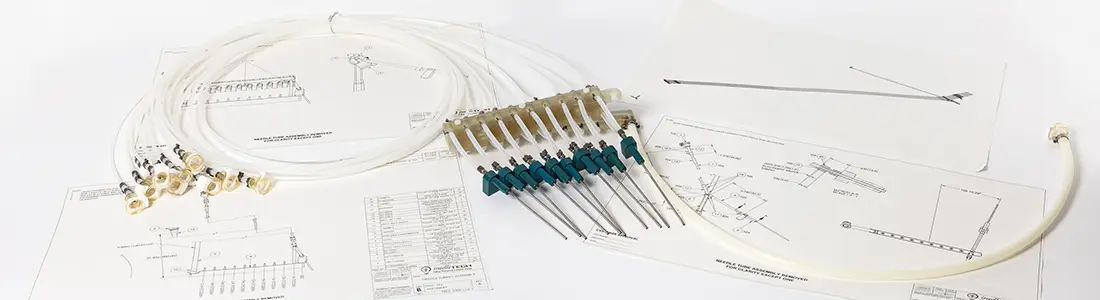
Accurate, repeatable low‑volume dispensing is a critical challenge across life science process development, quality control laboratories, and fill/finish operations. Traditional pump technologies—peristaltic, syringe, and gear pumps—were largely designed for continuous flow rather than discrete microliter‑to‑milliliter fills. As fill volumes decrease and product value increases, variability, shear stress, and contamination risk become increasingly costly.
This white paper presents a purpose‑built alternative: the i‑FILL® Micro single‑use dispensing system. Using a mechanically defined piston stroke and a closed, disposable fluid path, i‑FILL delivers highly repeatable µL–mL volumes with minimal shear and no cleaning validation burden. Performance data, application examples, and operational considerations are discussed to support evaluation by process engineers, lab technicians, scientists, and fill/finish supervisors.
The Challenge of Low‑Volume Dispensing
The Challenge of In biologics, cell therapy, and advanced research environments, every microliter can represent significant time, cost, and risk. Common challenges encountered with conventional dispensing technologies include:- Accuracy drift over time due to tubing relaxation or mechanical wear
- Operator‑to‑operator variability driven by manual adjustments
- Shear sensitivity, particularly for live cells and fragile biomolecules
- Contamination and carryover risk from reusable fluid paths
- Overfilling safety margins that lead to unnecessary product loss
i‑FILL® Micro Technology Overview
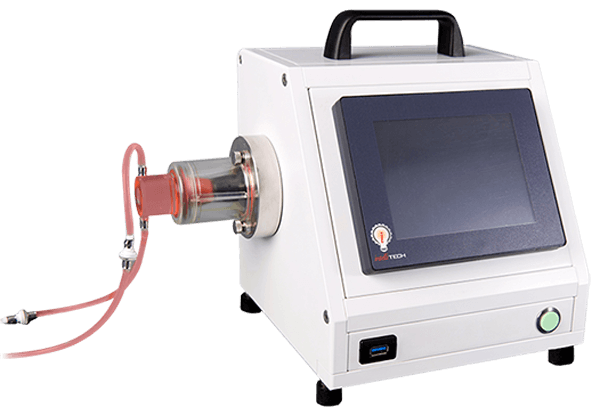
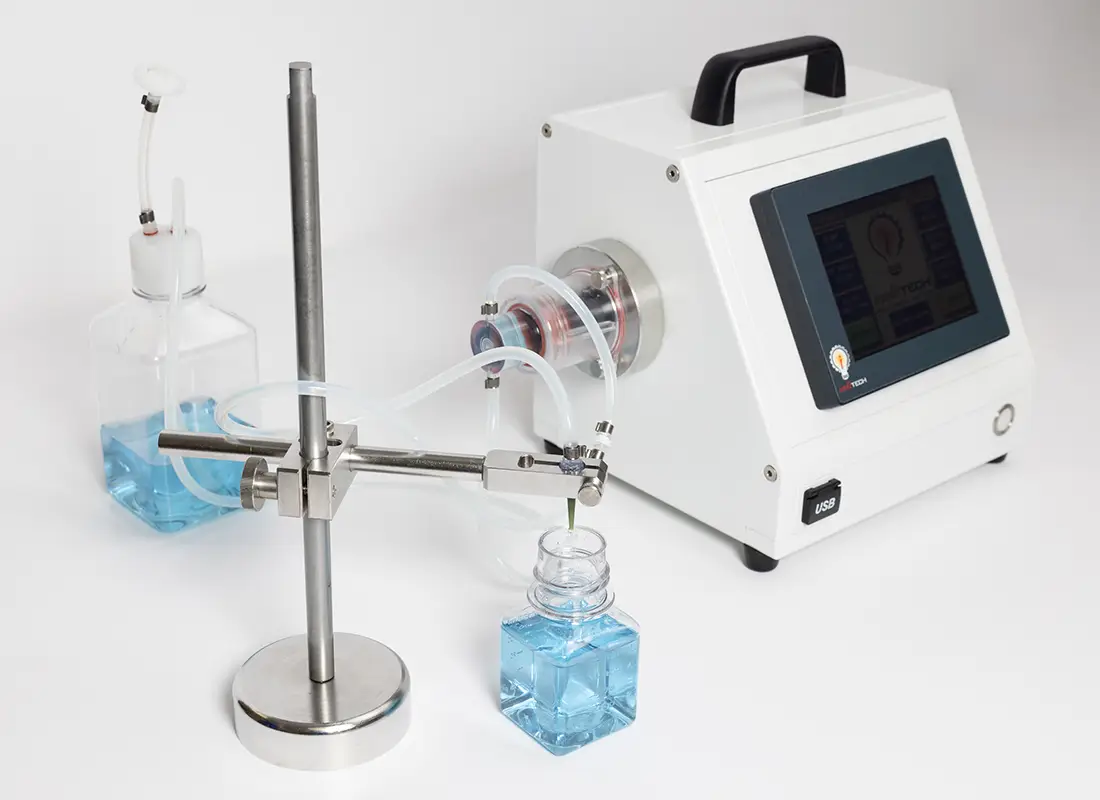
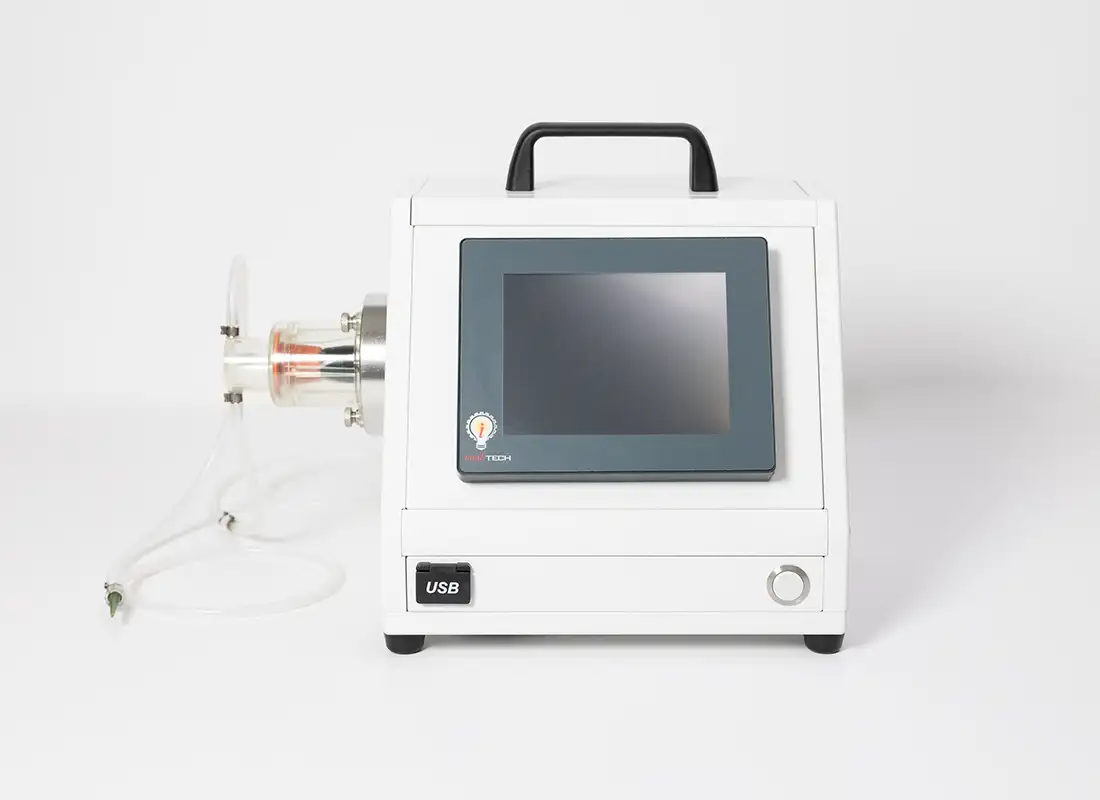
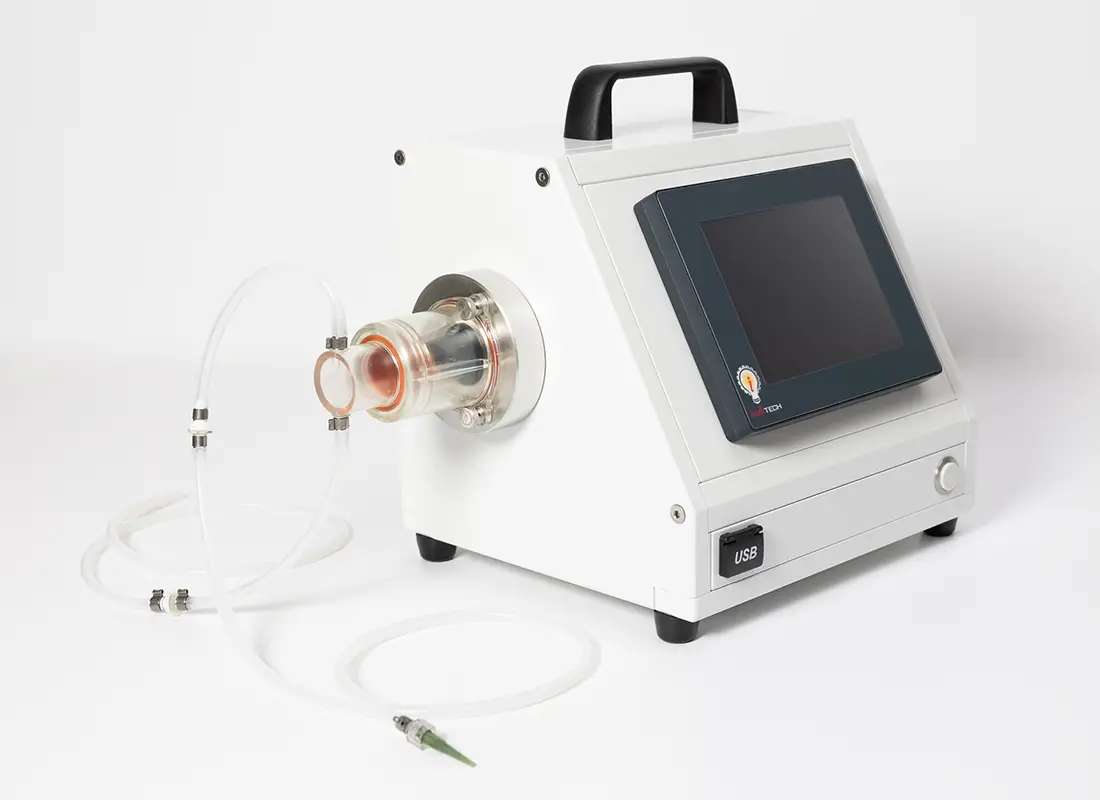
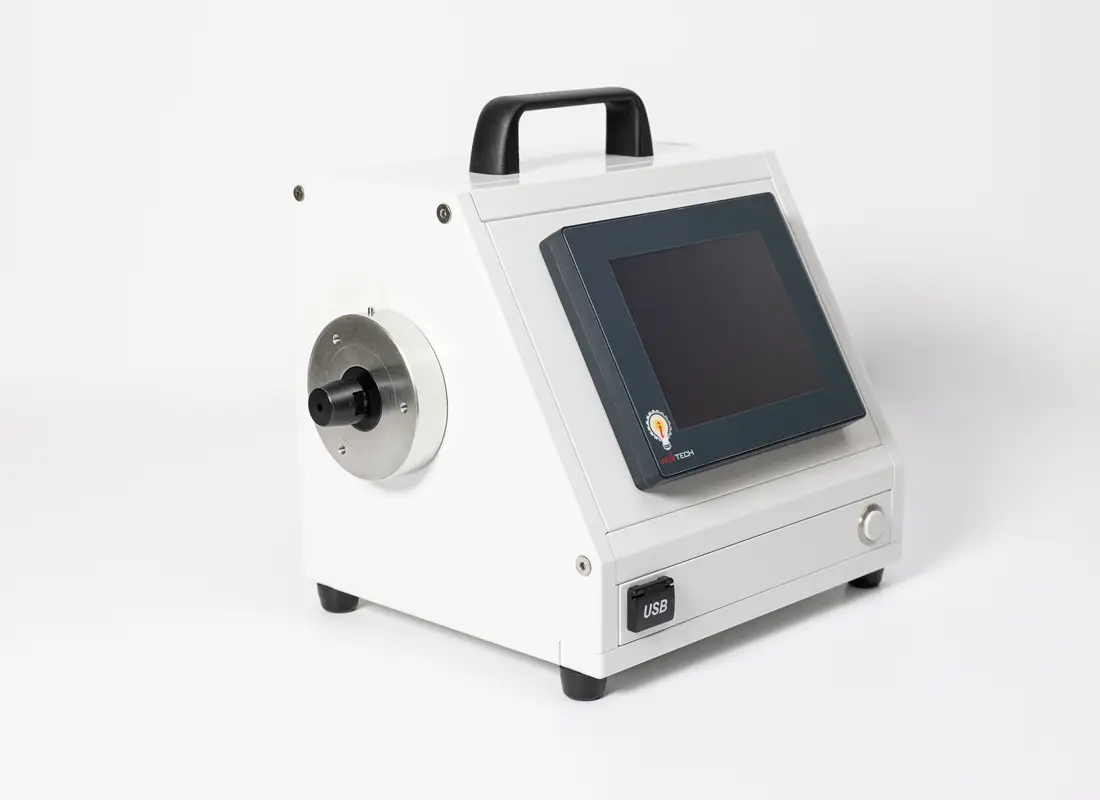
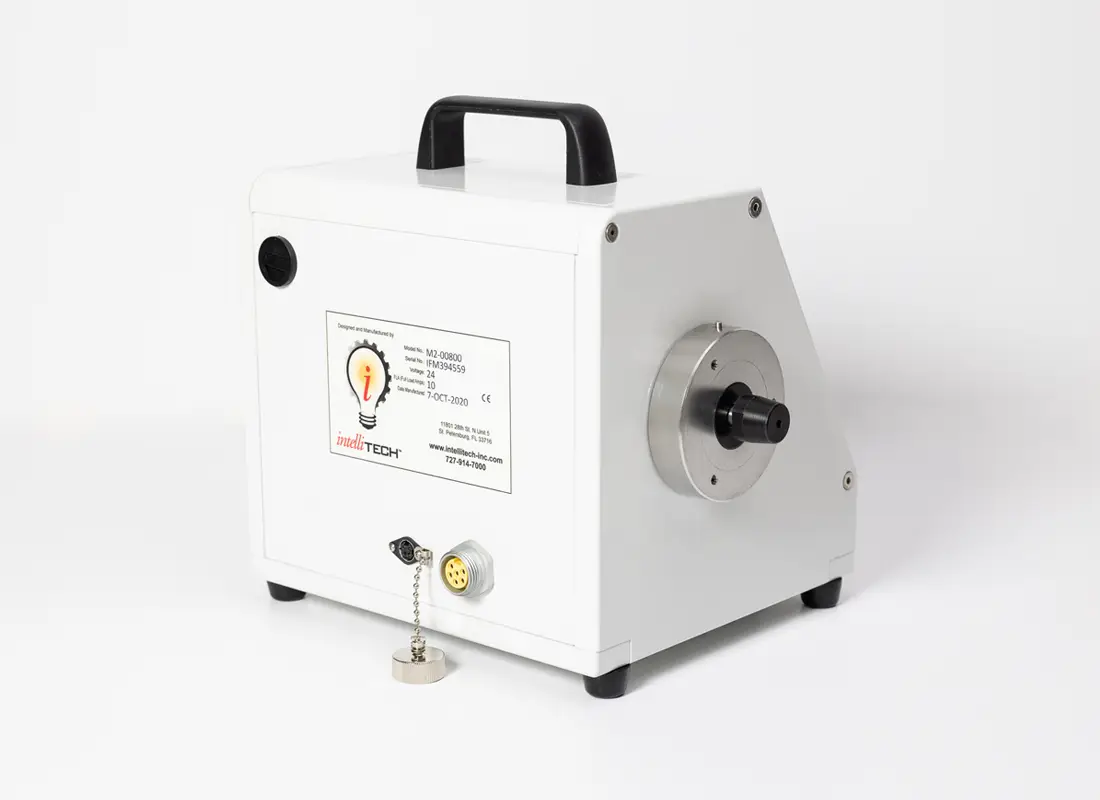
The i‑FILL Micro is a hybrid piston/diaphragm dispensing pump designed specifically for discrete, low‑volume fills. Unlike flow‑based systems, dispense volume is defined mechanically.
Key Design Principles
- Digitally controlled piston stroke: Each dispense cycle is determined by a fixed stroke length that does not change over time.
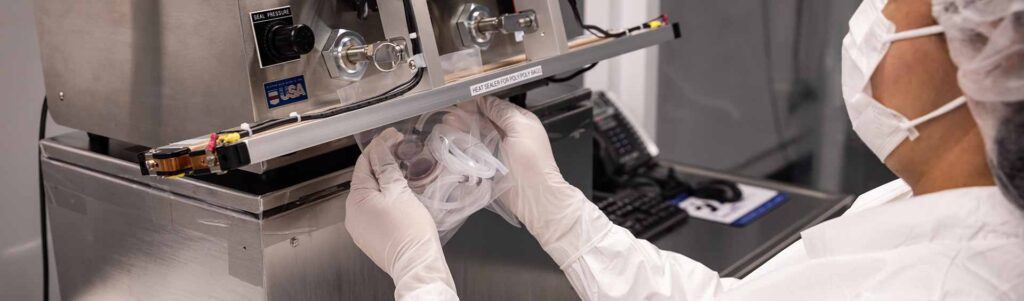
- Single‑use fluid path kits: All wetted components—including tubing, check valves, and dispense tip—are disposable, eliminating cleaning validation and cross‑contamination risk.
- Closed‑loop fluid path: Check valves support drip‑free operation and consistent delivery.
- Servo‑motor drive: Ensures repeatable motion and stroke precision cycle after cycle.
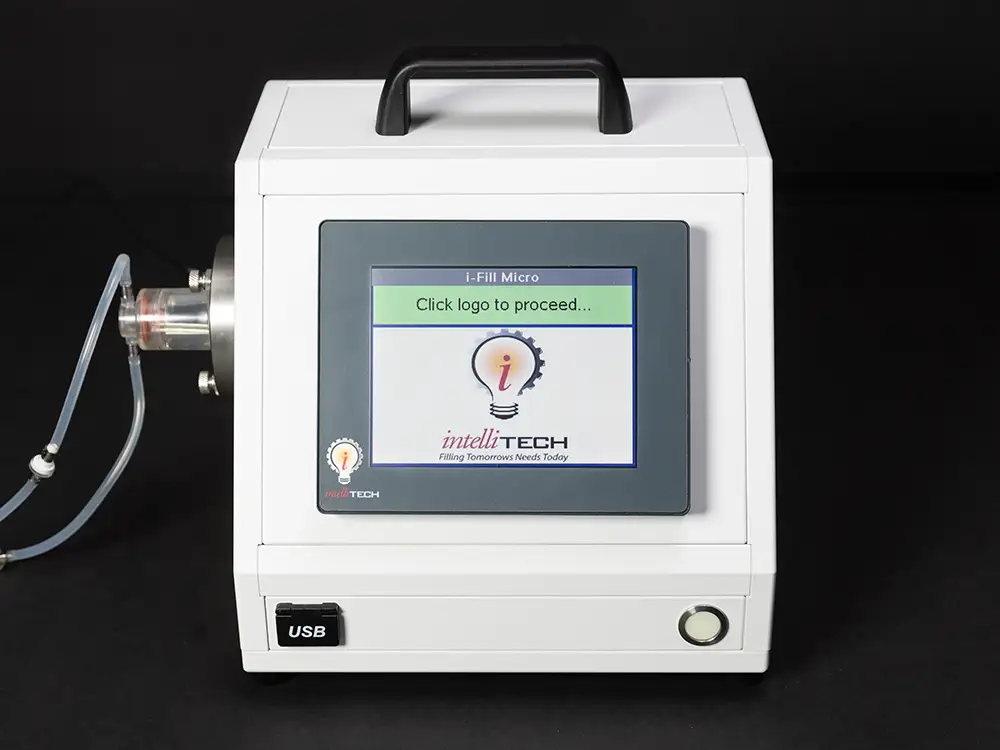
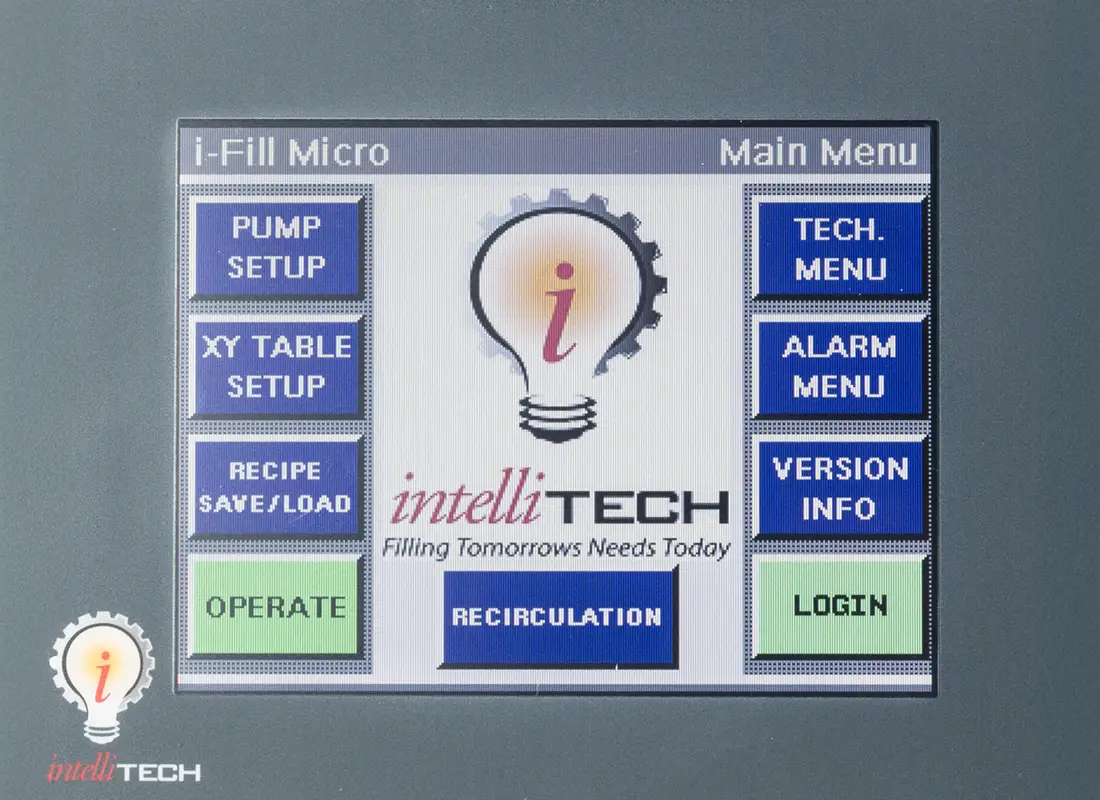
Pump parameters are set and recalled through a touchscreen HMI using recipe‑based control. Operators can execute locked methods, while administrators manage access through password‑protected logins—supporting controlled laboratory and GMP environments.
Operation and Workflow
From installation to operation, i‑FILL is designed for simplicity and reproducibility:- Install the single‑use kit by aligning three mounting points and securing with thumb screws (no tools required).
- Power on and prime to purge air and establish a stable fluid path.
- Load dispensing parameters via recipe selection or manual entry.
- Dispense using the touchscreen or a hands‑free foot switch for ergonomic operation.
Single‑Use Kit Configurations and Fill Ranges
Two single‑use kit sizes support a wide range of volumes in a single stroke:- 1 mL kit: approximately 350 µL to 1 mL
- 10 mL kit: approximately 500 µL to 19 mL
Volumetric Accuracy Performance Data
To quantify repeatability, i‑FILL Micro was evaluated across minimum and maximum dispense limits for both kit sizes. Each data set represents 100 consecutive dispenses, providing insight into performance over time—not isolated measurements.
5.1 10 mL Kit Performance
Figure 1. Minimum Dispense – 10 mL Kit
Approximately 0.5 mL dispensed at a piston distance of ~5.76 mm over 100 trials. Results demonstrate ±2% volumetric accuracy with no widening of dispersion over time.
Figure 2. Maximum Dispense – 10 mL Kit
Approximately 19.3 mL dispensed at a piston distance of ~46 mm over 100 trials. Results maintain ±0.25% volumetric accuracy, indicating exceptional repeatability at the upper end of the kit’s range.
Insert: i‑FILL Micro Min and Max Dispense Data Charts – 10 mL Kit (27‑MAR‑2026)
These results highlight a key advantage over elastic tubing systems, which often show increased variability as runs progress. With i‑FILL, dispersion does not increase during operation.
5.2 1 mL Kit Performance
Figure 3. Minimum Dispense – 1 mL Kit
Approximately 350 µL dispensed at a piston distance of ~9.16 mm over 100 trials. Accuracy is maintained at ±2%, even at sub‑milliliter volumes.
Figure 4. Maximum Dispense – 1 mL Kit
Approximately 1.1 mL dispensed at a piston distance of ~18 mm over 100 trials. Accuracy tightens to ±0.25% across the data set.
Insert: i‑FILL Micro Min and Max Dispense Data Charts – 1 mL Kit (27‑MAR‑2026)
At volumes where many pump technologies struggle, the i‑FILL’s fixed mechanical stroke delivers predictable, repeatable performance without recalibration or operator intervention.
Implications for Yield and Process Control
For many processes, especially fill/finish of high‑value materials, accuracy improvements translate directly into recovered yield. Tight repeatability enables:
- Reduced overfill safety margins
- Higher confidence in batch‑to‑batch consistency
- Less material lost to conservative process assumptions
For process engineers, this opens opportunities to optimize specifications and improve overall process economics without compromising quality.
Handling Shear‑Sensitive and Live Cell Applications
Beyond accuracy, material integrity is often paramount—particularly for live cells and shear‑sensitive biologics.
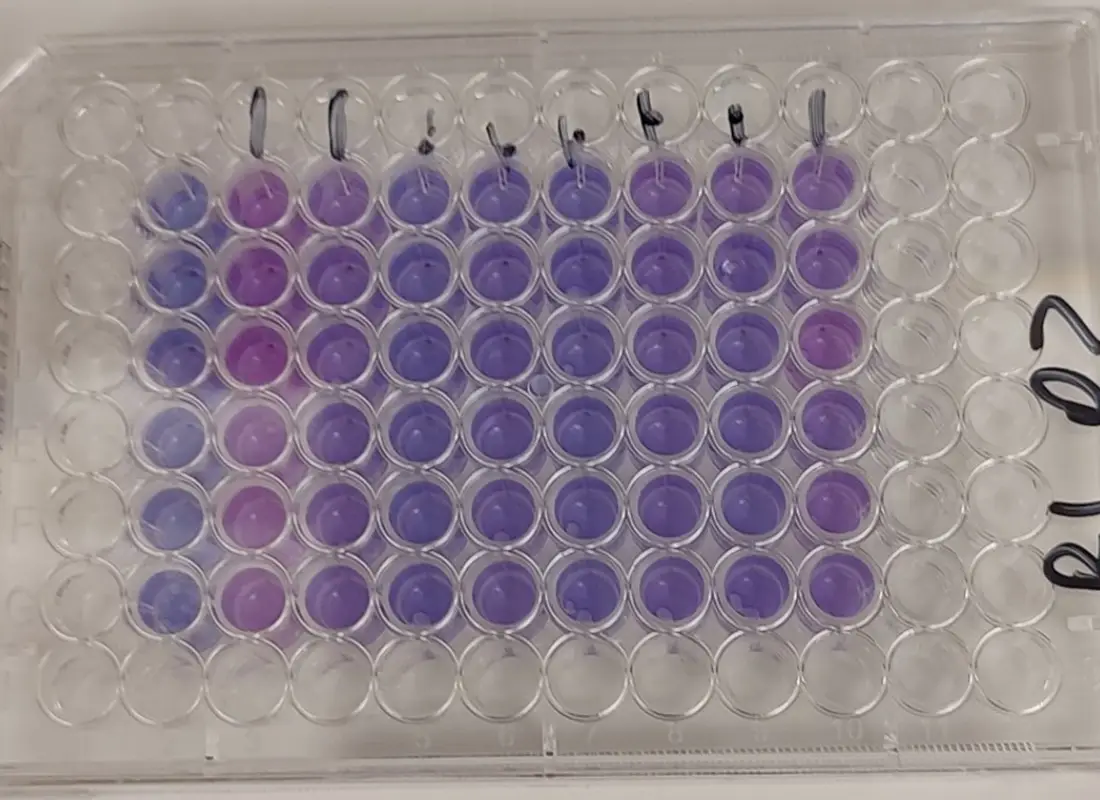
Peristaltic pumps generate localized shear through repeated tubing compression, which can negatively impact cell viability. The i‑FILL Micro was evaluated for live cell transfer in collaboration with the University of South Florida using recirculation protocols.
Study Highlights
- Comparative testing against well‑established peristaltic pumps
- Multiple cell cultures evaluated
- Two completed studies presented as posters at:
- Advanced Therapies Week 2024 (Miami)
- Multiple cell cultures evaluated
- A third study currently in progress
Pump parameters are set and recalled through a touchscreen HMI using recipe‑based control. Operators can execute locked methods, while administrators manage access through password‑protected logins—supporting controlled laboratory and GMP environments.
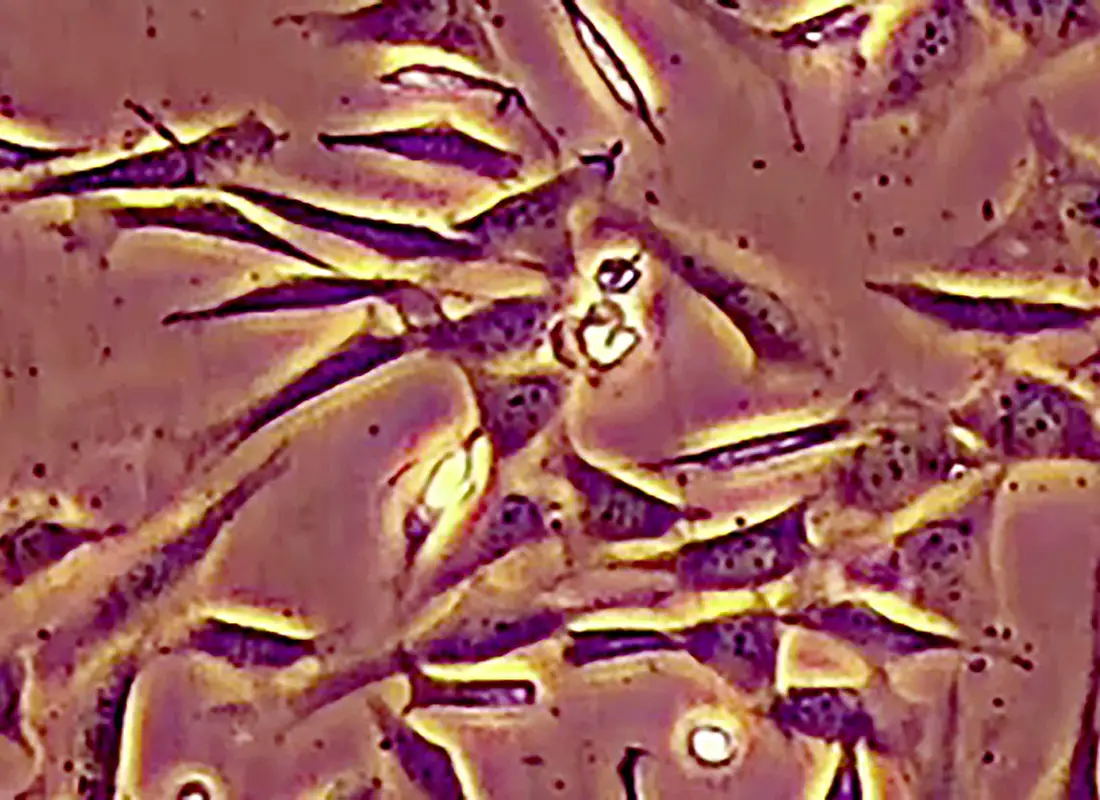
Figure 5. Microscopy Comparison
Cultured cells circulated for 5 minutes using i‑FILL versus peristaltic pumping show preserved morphology and viability when handled by i‑FILL.
These results support the use of i‑FILL where cell viability, process confidence, and product protection are critical.
Application Areas
i‑FILL Micro is well suited for:
- Biologics fill/finish
- Cell therapy manufacturing and development
- Media, buffer, and reagent dispensing
- Transfer of viscous or shear‑sensitive fluids
- R&D and pilot‑scale process development
The system is not intended to replace every pump in a facility, but to complement existing technologies where precision and repeatability are essential.
The Challenge of Low‑Volume Dispensing
The Challenge of In biologics, cell therapy, and advanced research environments, every microliter can represent significant time, cost, and risk. Common challenges encountered with conventional dispensing technologies include:- Accuracy drift over time due to tubing relaxation or mechanical wear
- Operator‑to‑operator variability driven by manual adjustments
- Shear sensitivity, particularly for live cells and fragile biomolecules
- Contamination and carryover risk from reusable fluid paths
- Overfilling safety margins that lead to unnecessary product loss
Implementation, Ordering, and Support
Through Cole‑Parmer, users have access to a complete i‑FILL resource ecosystem:- Product selection and ordering via coleparmer.com
- Quick start guides, operation manuals, and specification sheets
- Demo and training resources
- Global inventory and distribution
- Technical guidance, integration, and troubleshooting support
As life science processes continue to move toward smaller volumes and higher‑value materials, the limitations of traditional dispensing technologies become more pronounced. By defining volume mechanically and eliminating variability associated with elastic components and reuse, the i‑FILL® Micro system offers a robust solution for precision µL–mL dispensing.

Accurate, repeatable low‑volume dispensing is a critical challenge across life science process development, quality control laboratories, and fill/finish operations. Traditional pump technologies—peristaltic, syringe, and gear pumps—were largely designed for continuous flow rather than discrete microliter‑to‑milliliter fills. As fill volumes decrease and product value increases, variability, shear stress, and contamination risk become increasingly costly.
This white paper presents a purpose‑built alternative: the i‑FILL® Micro single‑use dispensing system. Using a mechanically defined piston stroke and a closed, disposable fluid path, i‑FILL delivers highly repeatable µL–mL volumes with minimal shear and no cleaning validation burden. Performance data, application examples, and operational considerations are discussed to support evaluation by process engineers, lab technicians, scientists, and fill/finish supervisors.
The Challenge of Low‑Volume Dispensing
The Challenge of In biologics, cell therapy, and advanced research environments, every microliter can represent significant time, cost, and risk. Common challenges encountered with conventional dispensing technologies include:- Accuracy drift over time due to tubing relaxation or mechanical wear
- Operator‑to‑operator variability driven by manual adjustments
- Shear sensitivity, particularly for live cells and fragile biomolecules
- Contamination and carryover risk from reusable fluid paths
- Overfilling safety margins that lead to unnecessary product loss
i‑FILL® Micro Technology Overview
The i‑FILL Micro is a hybrid piston/diaphragm dispensing pump designed specifically for discrete, low‑volume fills. Unlike flow‑based systems, dispense volume is defined mechanically.
Key Design Principles
- Digitally controlled piston stroke: Each dispense cycle is determined by a fixed stroke length that does not change over time.
- Single‑use fluid path kits: All wetted components—including tubing, check valves, and dispense tip—are disposable, eliminating cleaning validation and cross‑contamination risk.
- Closed‑loop fluid path: Check valves support drip‑free operation and consistent delivery.
- Servo‑motor drive: Ensures repeatable motion and stroke precision cycle after cycle.
Pump parameters are set and recalled through a touchscreen HMI using recipe‑based control. Operators can execute locked methods, while administrators manage access through password‑protected logins—supporting controlled laboratory and GMP environments.
Operation and Workflow
From installation to operation, i‑FILL is designed for simplicity and reproducibility:- Install the single‑use kit by aligning three mounting points and securing with thumb screws (no tools required).
- Power on and prime to purge air and establish a stable fluid path.
- Load dispensing parameters via recipe selection or manual entry.
- Dispense using the touchscreen or a hands‑free foot switch for ergonomic operation.
Operation and Workflow
From installation to operation, i‑FILL is designed for simplicity and reproducibility:- Install the single‑use kit by aligning three mounting points and securing with thumb screws (no tools required).
- Power on and prime to purge air and establish a stable fluid path.
- Load dispensing parameters via recipe selection or manual entry.
- Dispense using the touchscreen or a hands‑free foot switch for ergonomic operation.
Single‑Use Kit Configurations and Fill Ranges
Two single‑use kit sizes support a wide range of volumes in a single stroke:- 1 mL kit: approximately 350 µL to 1 mL
- 10 mL kit: approximately 500 µL to 19 mL
Volumetric Accuracy Performance Data
To quantify repeatability, i‑FILL Micro was evaluated across minimum and maximum dispense limits for both kit sizes. Each data set represents 100 consecutive dispenses, providing insight into performance over time—not isolated measurements.
5.1 10 mL Kit Performance
Figure 1. Minimum Dispense – 10 mL Kit
Approximately 0.5 mL dispensed at a piston distance of ~5.76 mm over 100 trials. Results demonstrate ±2% volumetric accuracy with no widening of dispersion over time.
Figure 2. Maximum Dispense – 10 mL Kit
Approximately 19.3 mL dispensed at a piston distance of ~46 mm over 100 trials. Results maintain ±0.25% volumetric accuracy, indicating exceptional repeatability at the upper end of the kit’s range.
Insert: i‑FILL Micro Min and Max Dispense Data Charts – 10 mL Kit (27‑MAR‑2026)
These results highlight a key advantage over elastic tubing systems, which often show increased variability as runs progress. With i‑FILL, dispersion does not increase during operation.
5.2 1 mL Kit Performance
Figure 3. Minimum Dispense – 1 mL Kit
Approximately 350 µL dispensed at a piston distance of ~9.16 mm over 100 trials. Accuracy is maintained at ±2%, even at sub‑milliliter volumes.
Figure 4. Maximum Dispense – 1 mL Kit
Approximately 1.1 mL dispensed at a piston distance of ~18 mm over 100 trials. Accuracy tightens to ±0.25% across the data set.
Insert: i‑FILL Micro Min and Max Dispense Data Charts – 1 mL Kit (27‑MAR‑2026)
At volumes where many pump technologies struggle, the i‑FILL’s fixed mechanical stroke delivers predictable, repeatable performance without recalibration or operator intervention.
Implications for Yield and Process Control
For many processes, especially fill/finish of high‑value materials, accuracy improvements translate directly into recovered yield. Tight repeatability enables:
- Reduced overfill safety margins
- Higher confidence in batch‑to‑batch consistency
- Less material lost to conservative process assumptions
For process engineers, this opens opportunities to optimize specifications and improve overall process economics without compromising quality.
Handling Shear‑Sensitive and Live Cell Applications
Beyond accuracy, material integrity is often paramount—particularly for live cells and shear‑sensitive biologics.
Peristaltic pumps generate localized shear through repeated tubing compression, which can negatively impact cell viability. The i‑FILL Micro was evaluated for live cell transfer in collaboration with the University of South Florida using recirculation protocols.
Study Highlights
- Comparative testing against well‑established peristaltic pumps
- Multiple cell cultures evaluated
- Two completed studies presented as posters at:
- Advanced Therapies Week 2024 (Miami)
- Multiple cell cultures evaluated
- A third study currently in progress
Pump parameters are set and recalled through a touchscreen HMI using recipe‑based control. Operators can execute locked methods, while administrators manage access through password‑protected logins—supporting controlled laboratory and GMP environments.
Figure 5. Microscopy Comparison
Cultured cells circulated for 5 minutes using i‑FILL versus peristaltic pumping show preserved morphology and viability when handled by i‑FILL.
These results support the use of i‑FILL where cell viability, process confidence, and product protection are critical.
Application Areas
i‑FILL Micro is well suited for:
- Biologics fill/finish
- Cell therapy manufacturing and development
- Media, buffer, and reagent dispensing
- Transfer of viscous or shear‑sensitive fluids
- R&D and pilot‑scale process development
The system is not intended to replace every pump in a facility, but to complement existing technologies where precision and repeatability are essential.
The Challenge of Low‑Volume Dispensing
The Challenge of In biologics, cell therapy, and advanced research environments, every microliter can represent significant time, cost, and risk. Common challenges encountered with conventional dispensing technologies include:- Accuracy drift over time due to tubing relaxation or mechanical wear
- Operator‑to‑operator variability driven by manual adjustments
- Shear sensitivity, particularly for live cells and fragile biomolecules
- Contamination and carryover risk from reusable fluid paths
- Overfilling safety margins that lead to unnecessary product loss
Implementation, Ordering, and Support
Through Cole‑Parmer, users have access to a complete i‑FILL resource ecosystem:- Product selection and ordering via coleparmer.com
- Quick start guides, operation manuals, and specification sheets
- Demo and training resources
- Global inventory and distribution
- Technical guidance, integration, and troubleshooting support
As life science processes continue to move toward smaller volumes and higher‑value materials, the limitations of traditional dispensing technologies become more pronounced. By defining volume mechanically and eliminating variability associated with elastic components and reuse, the i‑FILL® Micro system offers a robust solution for precision µL–mL dispensing.
